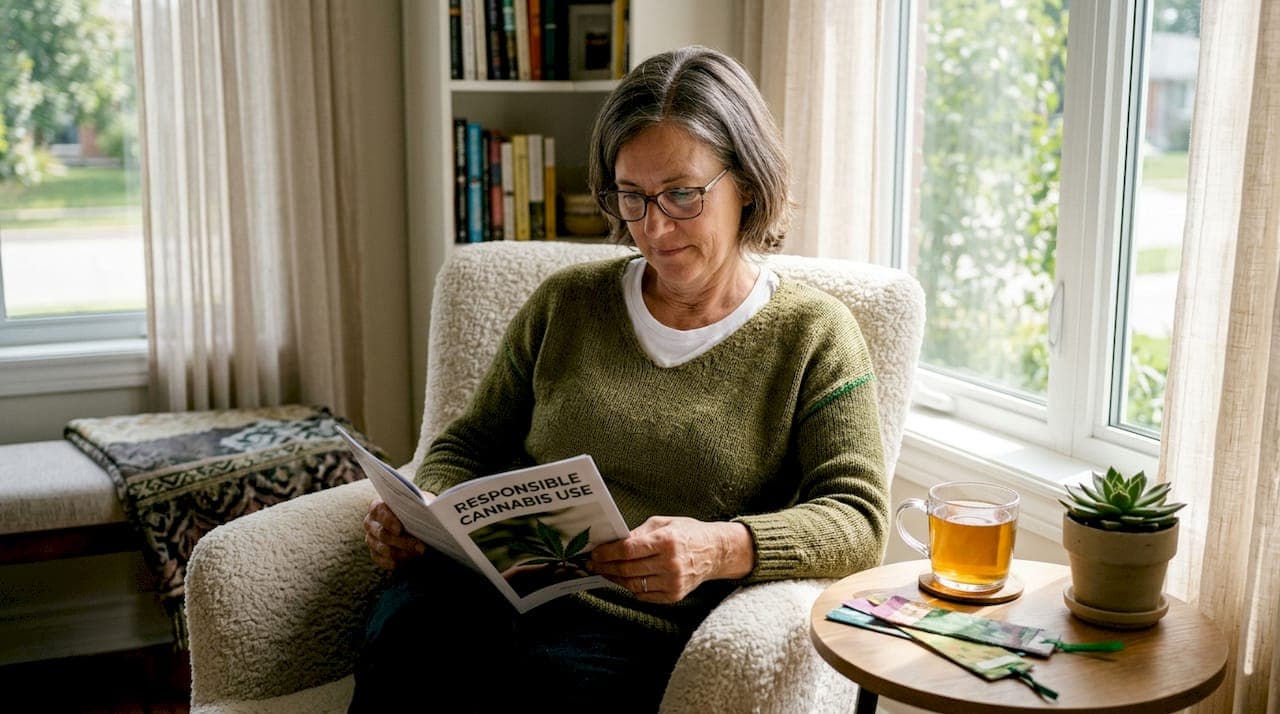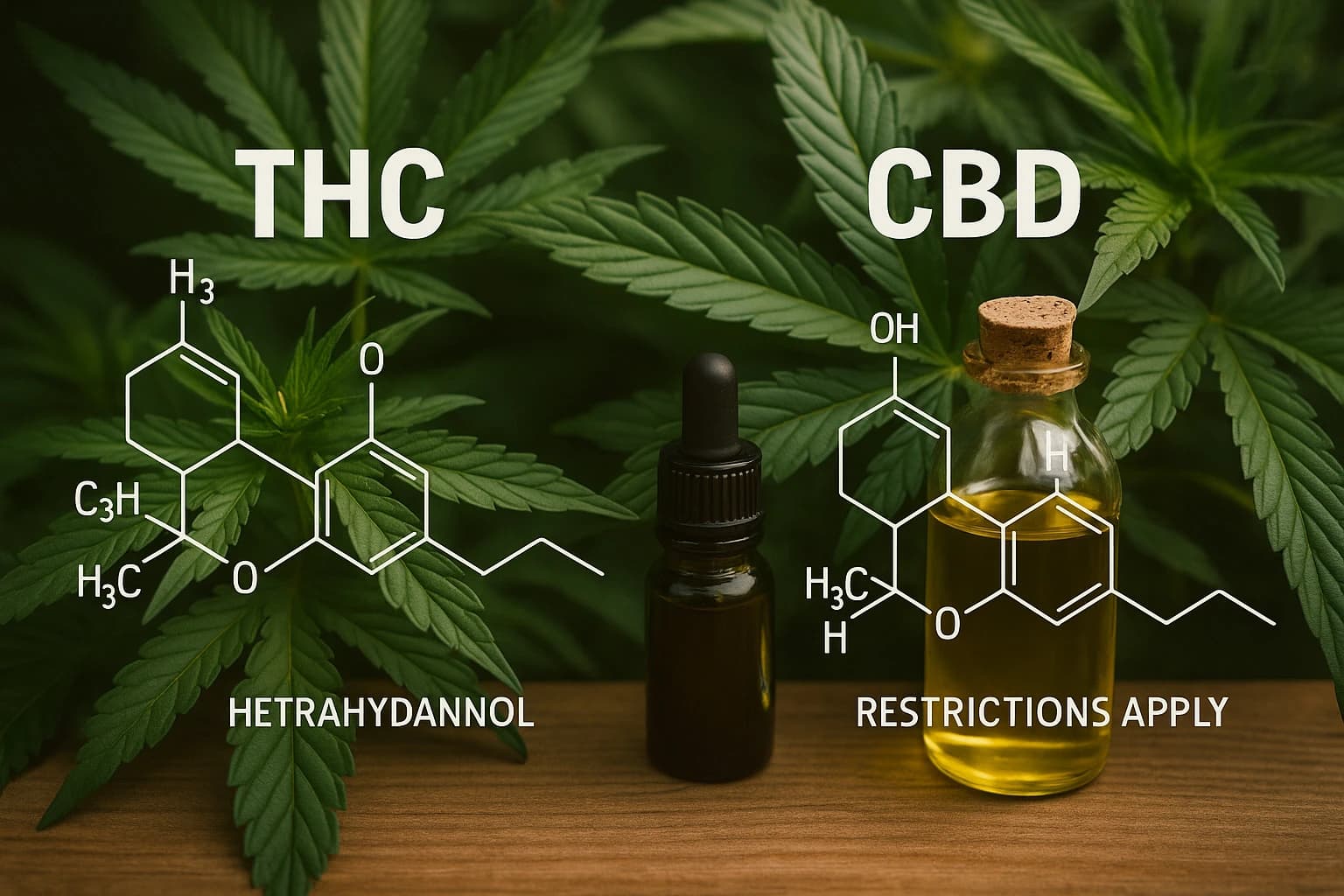
If you’ve ever walked into a dispensary or scrolled through CannaRadar’s Weed Delivery listings, you’ve probably noticed two words that show up everywhere: THC and CBD. They sound scientific (because they are), but they’re also two of the most misunderstood acronyms in cannabis culture.
Let’s be honest — trying to understand THC and CBD can feel like being in a chemistry class you didn’t sign up for. Don’t worry. This isn’t a pop quiz. By the end of this article, you’ll finally know what they are, how they differ, and why both matter — without needing a lab coat or a degree in biochemistry.
The Short Answer
Here’s the nutshell version:
THC (short for tetrahydrocannabinol) is the main compound that gets you high.
CBD (short for cannabidiol) doesn’t get you high — but it does interact with your body in fascinating ways that can make you feel relaxed, balanced, or even less anxious.
They’re both cannabinoids — naturally occurring compounds found in the cannabis plant — but they behave differently inside your body. Think of THC as the lively extrovert at the party and CBD as the calm, grounding friend making sure you hydrate.
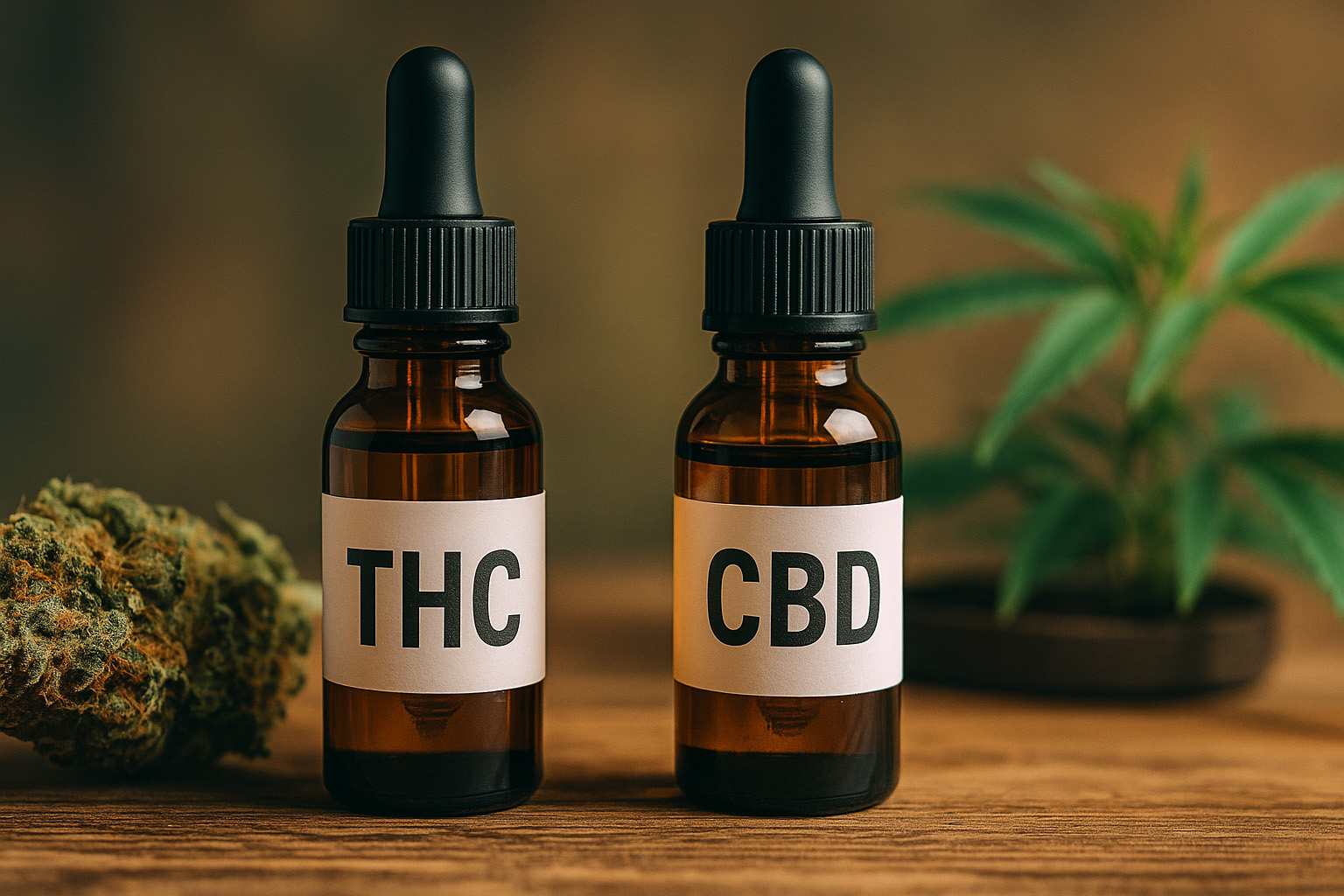
So How Do THC and CBD Work?
To understand the difference, we need to talk about the endocannabinoid system (ECS) — a network in your body that helps regulate mood, sleep, appetite, and even how you perceive pain.
The ECS is like your body’s internal balancing act, and it has special receptors — CB1 and CB2 — that cannabinoids interact with.
THC binds strongly to CB1 receptors, mostly found in your brain and central nervous system. That’s why THC affects perception, mood, and coordination.
CBD, on the other hand, doesn’t bind directly. It plays more of a supportive role, influencing how your body uses its own natural cannabinoids (called endocannabinoids). It’s like a behind-the-scenes coach helping your body maintain balance.
In short: THC talks loud, CBD listens carefully.
How They Make You Feel
Here’s where things get interesting.
THC’s Effects:
Euphoria (that classic “high”)
Heightened senses
Laughter, creativity, or introspection
Sometimes anxiety or paranoia (especially at high doses)
CBD’s Effects:
Calm, centered relaxation
Reduced tension or stress
Clear-headed focus
Zero intoxication
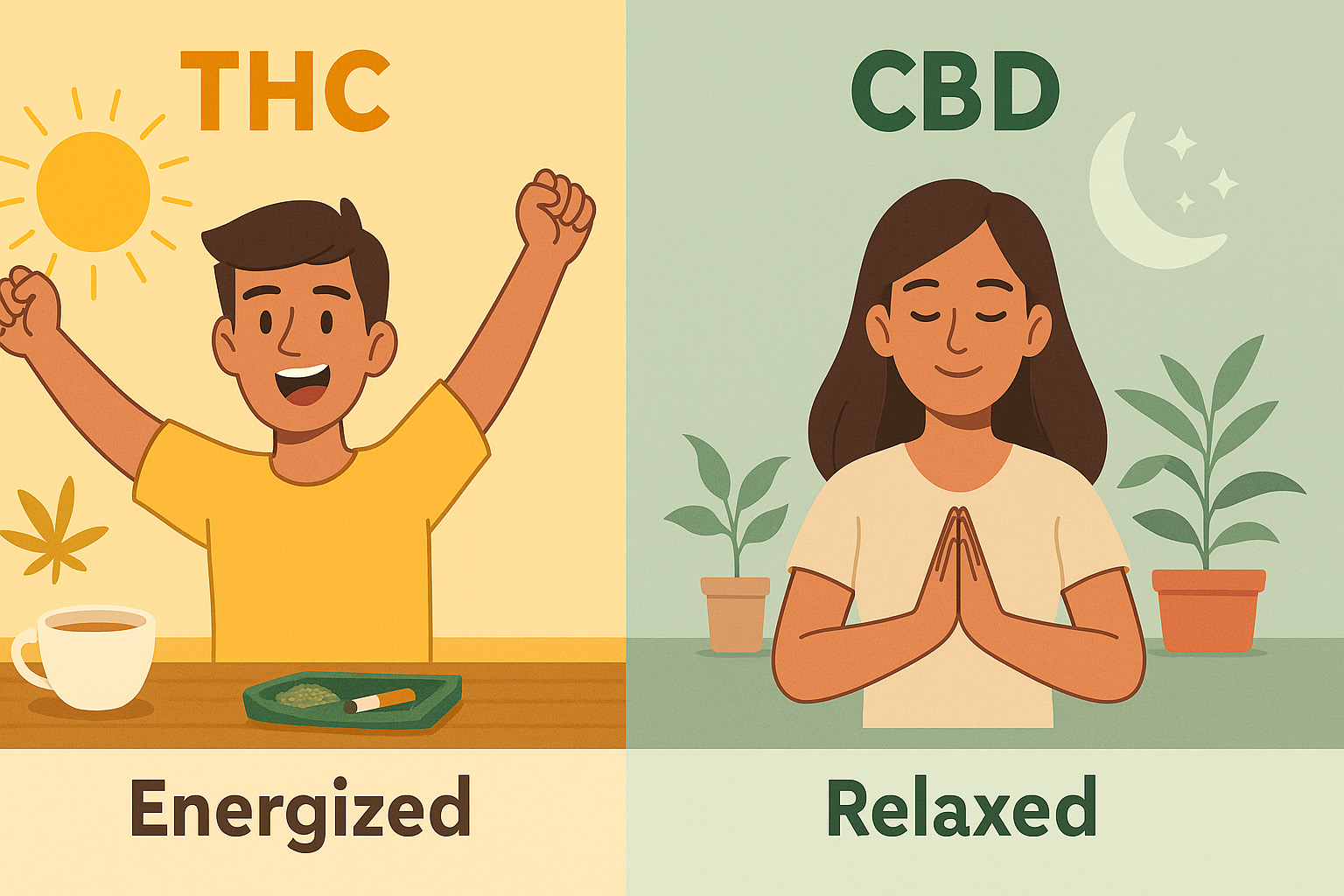
You can think of THC as a roller coaster and CBD as a hammock. One’s thrilling, one’s chill — both have their place depending on your mood and your goals.
If you’re new to cannabis and want to understand how different strains affect you, check out CannaRadar’s Leaf Lab, our Cannabis Strain Database, which breaks down THC and CBD ratios for hundreds of strains.
The Legal Side in Canada
Under Canadian law, both THC and CBD are legal — but regulated differently depending on the product. You can buy flower, edibles, oils, and vapes that contain either or both, as long as they come from a licensed retailer.
However, products labeled as “hemp-derived CBD” contain very little THC (less than 0.3%) and are more commonly found in wellness products. If you’re ever unsure whether what you’re buying is compliant, check listings from verified providers through CannaRadar’s Dispensary Directory. It’s the easiest way to make sure your purchase is legal and from a reputable source.
Why People Mix Them
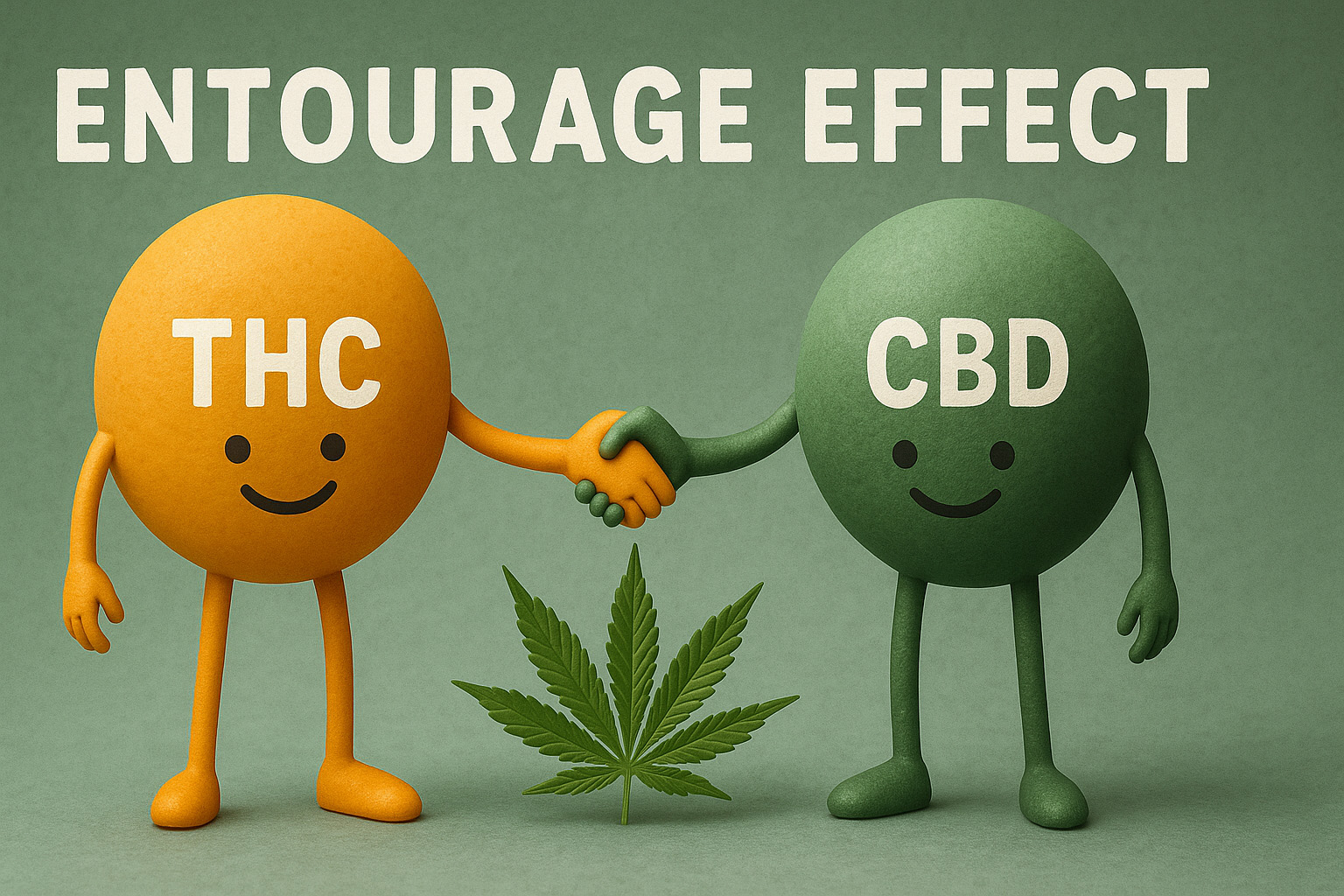
Here’s a secret seasoned users know: THC and CBD can work better together.
This is called the entourage effect — the idea that cannabinoids, terpenes, and other plant compounds enhance each other’s benefits when combined.
A strain with both THC and CBD may offer a smoother, more balanced experience — the psychoactive edge of THC tempered by CBD’s grounding influence.
If you’ve ever tried a strain that’s described as “balanced” or “hybrid,” you’ve likely felt this synergy firsthand.
You can explore strains with balanced THC:CBD ratios in our Leaf Lab Database — look for varieties like Harlequin or Cannatonic for a mellow introduction.
Side Effects and Safety
THC:
In moderate amounts, THC is safe for most adults. But too much can cause temporary anxiety, dry mouth, increased heart rate, or — let’s be honest — raiding the kitchen at 2 a.m. It’s also not ideal before operating machinery or driving.
CBD:
Generally well tolerated. High doses can cause drowsiness or dry mouth, and it can interact with certain medications, so talk to your healthcare provider if you’re taking prescriptions.
Pro Tip:
Always start low and go slow. Every person’s tolerance and endocannabinoid system is unique. You can find beginner-friendly THC and CBD guides in CannaRadar’s Learn Hub — it’s our education section for understanding cannabis without the jargon.
Which One Is Right for You?
That depends on your intent:
Want a euphoric lift or creative spark? Try a strain higher in THC.
Looking to relax, ease tension, or unwind without intoxication? CBD might be your best friend.
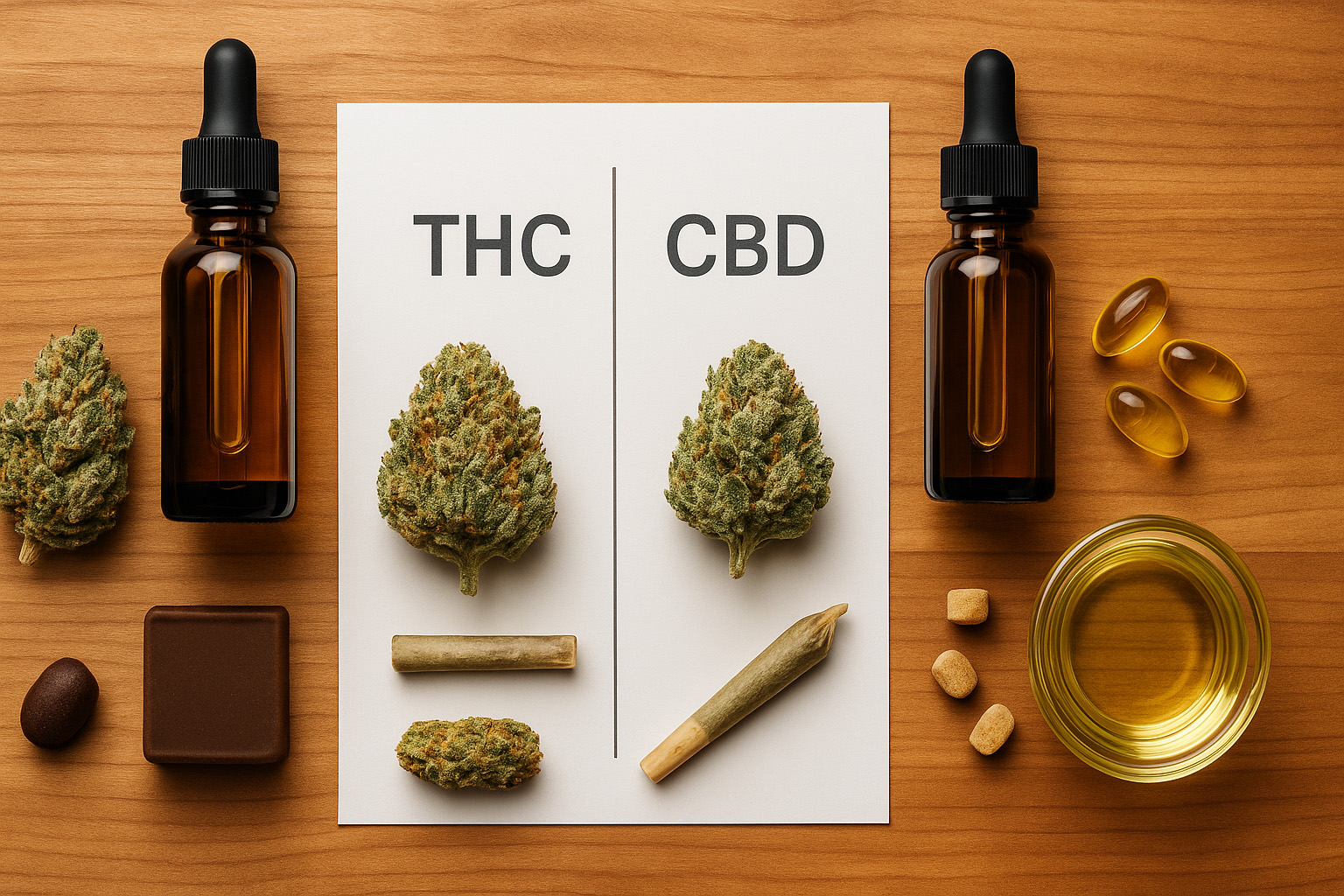
Want a balance of both worlds? Choose a hybrid strain or ratio-based product (e.g. 1:1 THC:CBD).
Experimenting responsibly is key — always read the label and understand the cannabinoid profile before consuming.
The Takeaway
THC and CBD aren’t rivals — they’re siblings in the same plant family. Each plays a unique role in shaping your cannabis experience. THC brings excitement, while CBD brings equilibrium. Together, they form the backbone of modern cannabis culture — from relaxation rituals to medical research.
So, next time you browse through CannaRadar’s Weed Delivery section or dive into our Leaf Lab strain database, you’ll know exactly what those THC and CBD percentages mean.
You’re not just reading labels anymore — you’re decoding the language of the plant itself.