The most annoying cannabis mistake is not always getting way too high. Sometimes it is waking up the next morning feeling like your brain left a tab open overnight. Your mouth is dry, your thoughts are buffering, and the plan you made at 11:42 p.m. to “just have one more gummy” suddenly looks less like self-care and more like poor event management. That is why weed hangover keeps surfacing in Canadian search results, Reddit threads, and dispensary conversations. People want to know whether this feeling is real, whether edibles are the main culprit, and what actually helps once the damage is already wearing sweatpants.
Here is the short version. A weed hangover is usually not a mystery medical event. It is more often the leftover effect of too much THC, the wrong format, late timing, poor sleep, dehydration, or mixing alcohol with cannabis. In Canada, that often means edible cannabis, oils, capsules, or drinks taken too late in the evening, because those formats can build slowly and linger much longer than people expect.
A foggy morning after cannabis usually points to dose, timing, format, sleep, or mixing substances.
Quick answer: yes, but it is usually dose, timing, and format, not a mystery curse
Quick answer: yes, a weed hangover is a real next-day drag for some adults, especially after high THC, late-night edibles, oils, drinks, or mixing cannabis with alcohol. It usually feels like brain fog, dry mouth, heavy eyes, poor focus, and “why does my couch still sound appealing at 10 a.m.?” energy. The practical fix is not a magic reset. It is hydration, food, low drama, time, and better dose timing next round.
Health Canada says cannabis effects can last up to 24 hours, and its impairment guidance adds that drowsiness can linger well after the “main” high seems over. Health Canada also warns that eating or drinking cannabis can take up to 4 hours to reach full effect. That matters because a lot of next-day fog starts the night before with one classic mistake: judging an edible too early, taking more, then going to bed while it is still quietly building.
Key Takeaways
Weed hangovers are most often linked to higher THC, late-night use, edibles, oils, or cannabis drinks.
The usual symptoms are brain fog, dry mouth, grogginess, heavy eyes, slower thinking, and general “not my sharpest morning” energy.
Water, food, rest, light movement, and a low-stimulation morning may help more than chasing a clever hack.
Mixing cannabis with alcohol, taking edibles too late, or stacking formats makes next-day drag more likely.
If you still feel impaired, do not drive or operate machinery, even if the fun part of the high feels long gone.
What a weed hangover usually feels like
A weed hangover is usually less dramatic than an alcohol hangover. For most adults, it feels more like a soft mental blanket than a full catastrophe. Common descriptions include brain fog, dry mouth, headache, tired eyes, poor focus, clumsy motivation, and the eerie sense that your email inbox is being slightly rude for existing before noon.
The pattern is also fairly predictable. In community threads, the complaints show up most often after high-THC edibles, oils, or heavy late-night sessions. That lines up with what Health Canada says about ingested cannabis taking longer to peak and lasting longer overall. If you want a cleaner baseline for edible dose math, CannaRadar’s edibles dosage guide is the smarter pre-game read than trusting your midnight confidence.
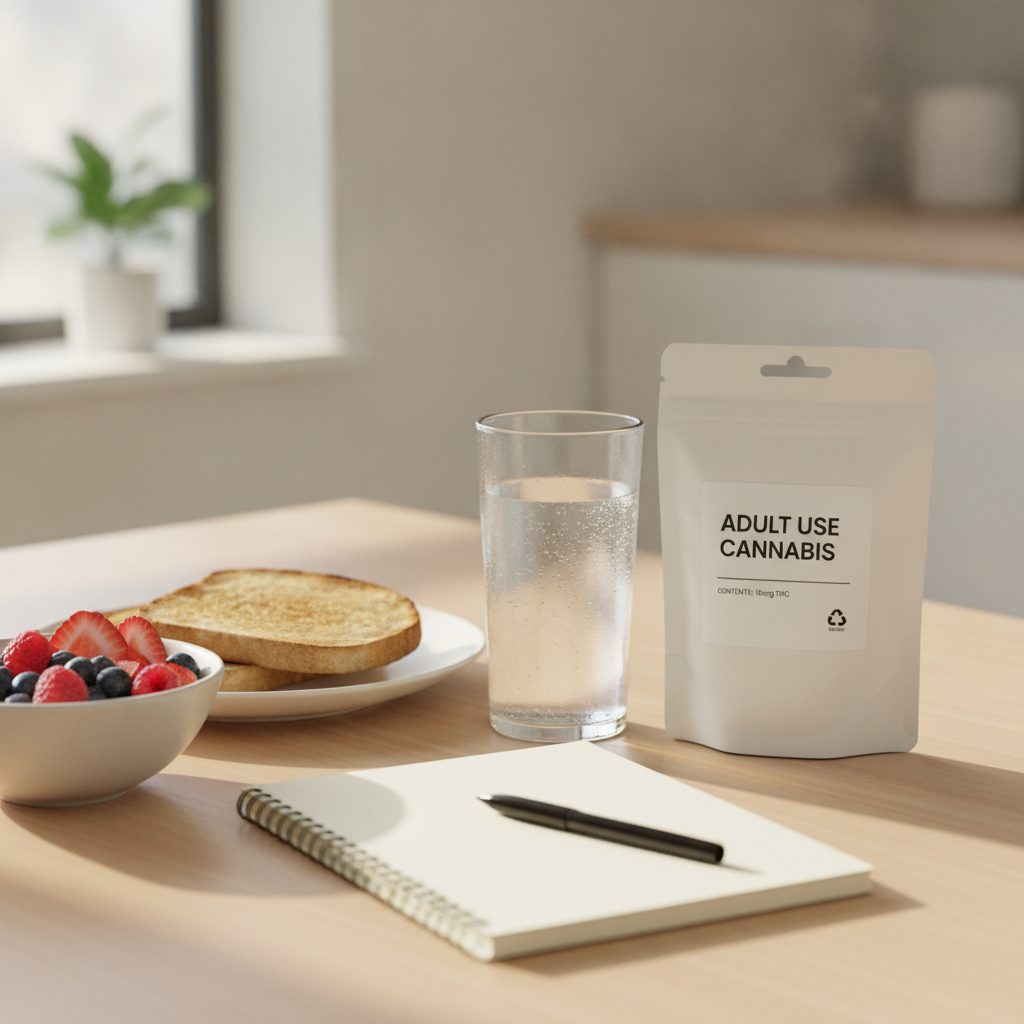
Hydration, food, and a low-stimulation morning are usually more useful than miracle fixes.
Why edibles and late-night THC are the usual suspects
If smoking or vaping tells you within minutes how hard you got hit, edibles are the slow coworker who replies “on it” and then delivers chaos three hours later. Health Canada’s 2024 Canadian Cannabis Survey summary found that many Canadians still do not correctly identify how long edible effects can take to fully arrive. That gap matters because bedtime edibles can still be working through the night, which means you may wake up not exactly “hungover,” but not fully clear either.
Why it happens
Too much THC for your current tolerance
The simplest explanation is still the most common. You took more THC than your body handles cleanly. That can happen because the dose was genuinely high, because your tolerance dropped during a break, or because the product felt mild at first and you topped it up. If you suspect tolerance has drifted, CannaRadar’s tolerance break guide helps reset your expectations without turning the answer into macho nonsense.
Edibles, oils, and drinks can linger longer than your evening plans
Oral and ingested formats are convenient, but they are not tidy. Their onset is slower, their peak can show up much later, and their tail can run right into the next morning. A 10 p.m. edible is sometimes really a 2 a.m. decision in disguise. That is why “start low and go slow” still survives every joke made about it. It may be boring advice, but boring advice is exactly what keeps your Tuesday morning from feeling upholstered.
Alcohol, poor sleep, dehydration, and mixing formats make it messier
Health Canada explicitly warns that mixing cannabis with alcohol or other substances can increase impairment and adverse effects. Add poor sleep, not enough water, or a mix of gummies plus a vape plus “just a little” drink, and the next morning can feel blurrier than the dose looked on paper. If you already know THC sometimes tips into spirally territory for you, the cannabis and anxiety guide is worth reading before you blame the product alone.
What actually helps the next morning
The good news is that weed hangovers are usually a patience problem, not a drama problem. Most recovery steps are delightfully unsexy: water, food, a shower, daylight, light movement, and keeping the morning low stakes if you can. If you are dehydrated, hydration helps. If you skipped dinner and ate an edible like it was a scheduling tool, food helps. If your brain feels cottony, forcing yourself into a sensory war with caffeine, errands, and five tabs of bad news is usually not the recovery masterclass you think it is.
What does not help much is trying to outsmart your body with random hacks. More THC to “level out” may only extend the problem. Heavy alcohol obviously does not fix it. Driving because you “feel mostly fine” is a terrible Canadian plot twist. Health Canada’s cannabis impairment guidance is clear: if you are using cannabis, do not drive.
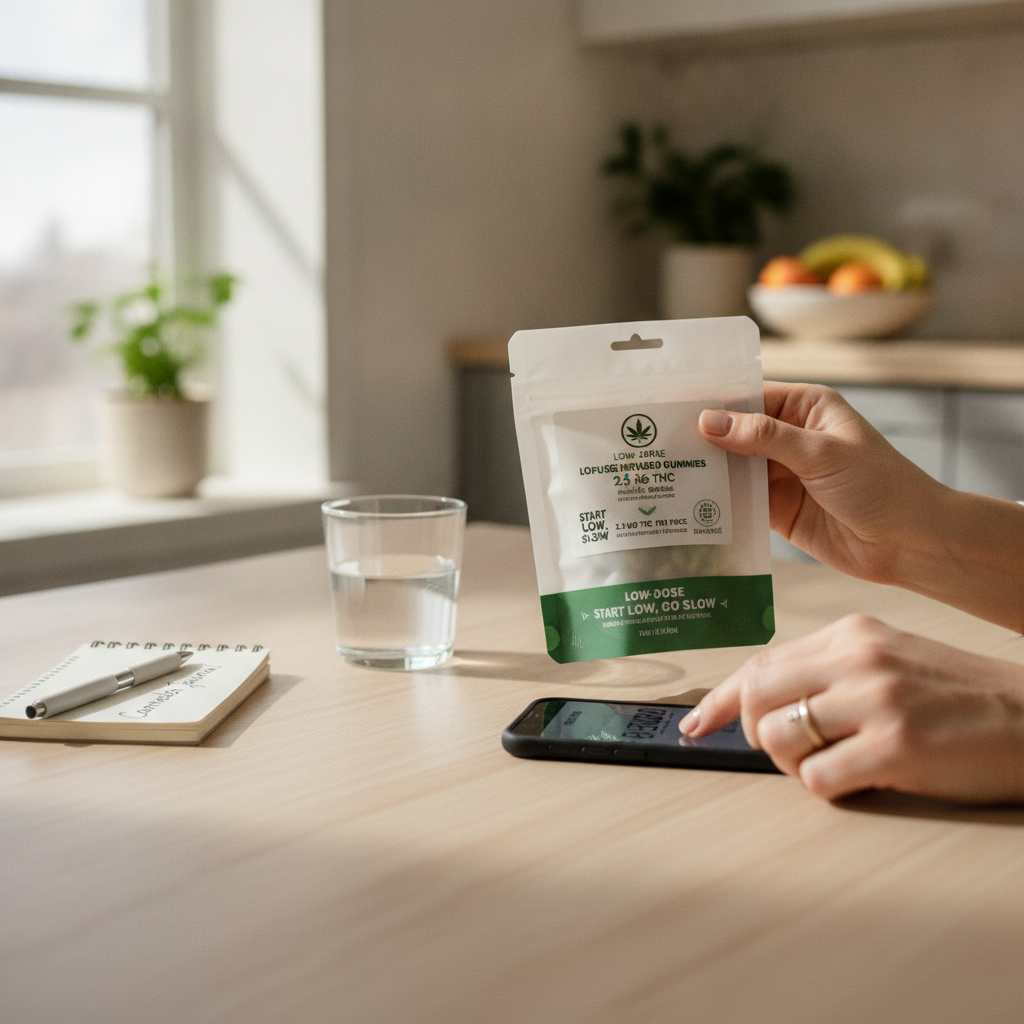
For edibles, prevention starts before the dose: check the label, set a timer, and wait.
How to avoid a weed hangover next time
The easiest prevention strategy is not mystical. It is operational. Take less THC, take it earlier, and stop mixing formats like you are building a sampler platter of future regret. If edibles are the recurring problem, move them earlier in the evening or choose a lower-dose product. If you buy legal products regularly, use CannaRadar’s dispensary listings to compare formats and labels before you buy whatever has the cutest naming convention and the worst timing profile for your life.
It also helps to keep a tiny log: what you took, when you took it, whether you had food first, and how you felt the next morning. That sounds nerdy because it is nerdy, and it works. You do not need a spreadsheet with mood emojis. A note in your phone is enough. Responsible use in Canada also means planning around impairment. If there is any chance you will still feel off, do not schedule morning driving or anything that depends on fast reactions.
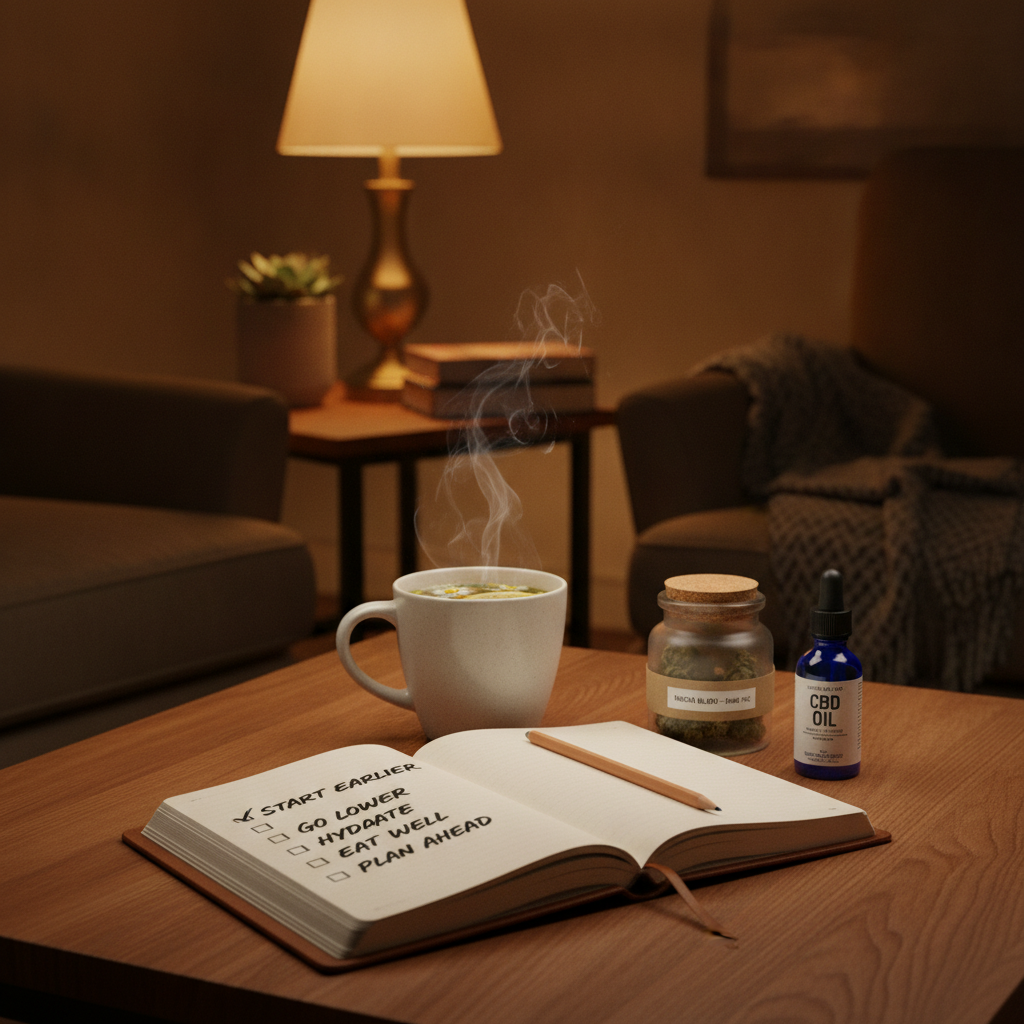
The best prevention plan is simple: start earlier, go lower, and leave driving off the schedule.
Keep the rest of the product boring too
One underrated mistake is leaving the rest of a gummy pack or oil where it becomes tomorrow’s impulsive repeat experiment. Put it away properly, keep the label visible, and treat it like a measured product, not snack clutter. If you need a refresher on that part, the cannabis storage guide covers the basics.
When to take symptoms seriously
A routine weed hangover should fade. If someone has chest pain, trouble breathing, repeated vomiting, severe confusion, or cannot be properly roused, treat that as a medical issue, not a vibes issue. And if you are simply still impaired, that matters too. The Canada cannabis laws guide is useful for the legal picture, but the practical rule is simpler: if you do not feel fully clear, you are not ready to drive.
Bottom line
Weed hangovers are real enough to be worth planning around, but they are usually not mysterious. They are the predictable result of higher THC, late timing, edible lag, mixed formats, bad sleep, or a dose that looked cute on the package and hit much less cute at 3 a.m. The next-morning fix is not glamorous. It is water, food, patience, and a better system next time.
If you want to make your next purchase smarter, not stronger, browse CannaRadar’s directories and Green Guide explainers before you buy. Your future morning self is not asking for enlightenment. It is asking for fewer avoidable mistakes.
FAQ
Is a weed hangover real?
Yes. Some adults report next-day grogginess, brain fog, dry mouth, or headache after cannabis, especially after higher-THC or late-night edible use.
Do edibles cause worse weed hangovers than smoking?
Often, yes. Edibles and other ingested products can take longer to peak and may linger longer, which makes next-morning fog more likely for some people.
What helps a weed hangover fastest?
Water, food, rest, low stimulation, and time are the most practical options. There is no guaranteed instant fix.
Can I drive if I just feel a little groggy the next morning?
No. If you still feel impaired, do not drive or operate machinery. Health Canada says some effects such as drowsiness can last up to 24 hours.
How do I avoid a weed hangover next time?
Use less THC, take it earlier, avoid mixing with alcohol, be cautious with edibles, and keep notes on which dose and format actually work well for you.