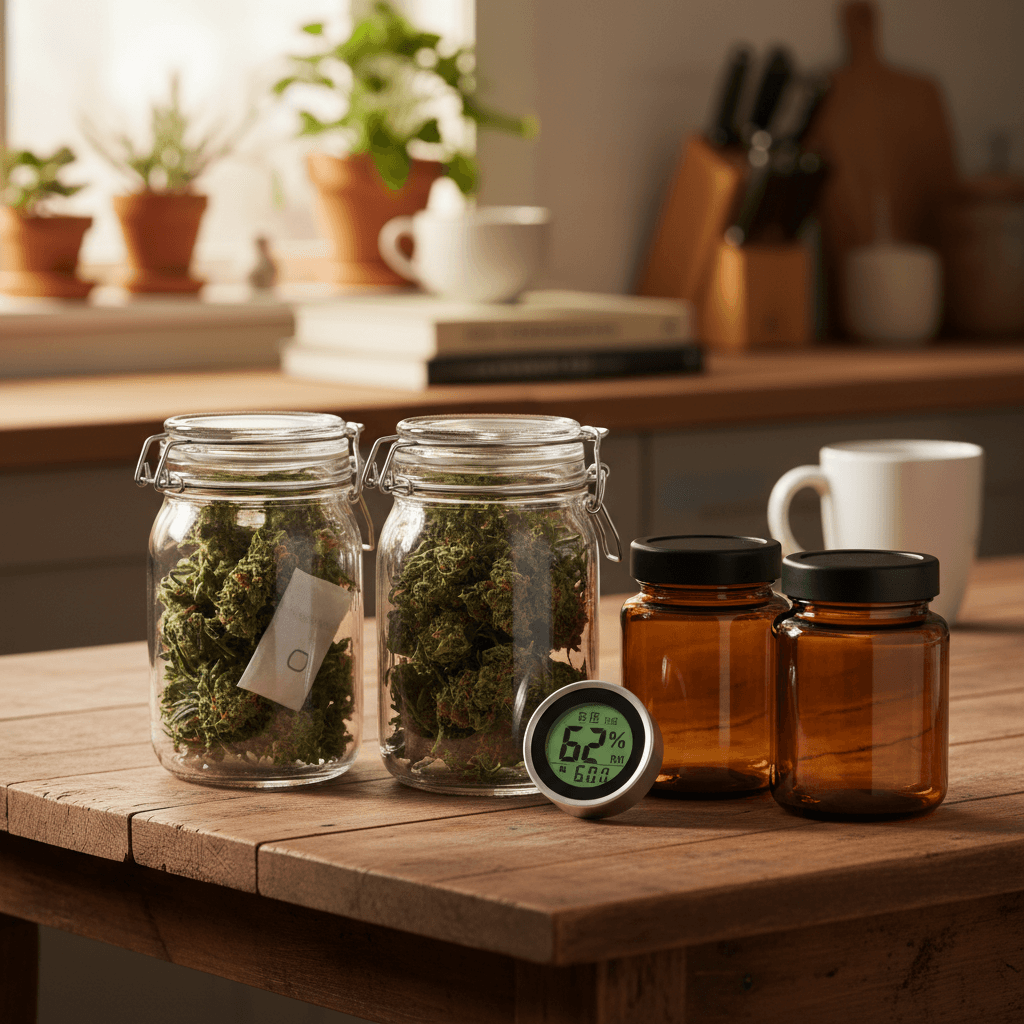
If you’ve spent any time around cannabis menus in 2026, you’ve probably noticed the same thing I did during research this week: THCA is suddenly everywhere. Leafly is publishing best-of THCA lists, U.S. hemp brands are stuffing search results with THCA flower pages, and even in Canada, Tilray’s new PORTAL launch is leaning into THCA diamond-coated products for high-tolerance shoppers. The problem is that most people still don’t actually know what THCA means on a label, what it turns into when you smoke it, or why Canada talks about it differently than the U.S. This guide fixes that.
Why THCA is suddenly a hot topic
THCA, or tetrahydrocannabinolic acid, is the non-intoxicating precursor to THC. In plain English, it is the cannabinoid that exists in raw cannabis flower before you heat it. Once you smoke, vape, or cook cannabis, THCA loses a carboxyl group and converts into delta-9 THC. That heat-driven conversion is called decarboxylation.
So why is THCA trending now? Three reasons kept showing up across recent cannabis research:
- Consumer curiosity is up. Leafly has run multiple recent THCA-focused pieces, including “Leafly’s Best THCA Flower Strains of 2026” and other THCA product roundups. That is a strong signal that publishers are chasing real reader demand, not just filling calendar space.
- Product marketing is getting more aggressive. In Canada, Tilray’s new PORTAL line launched with THCA diamond-coated pre-rolls and high-intensity positioning for experienced consumers. That matters because big licensed brands do not build campaigns around obscure language unless they think shoppers will click.
- People are confused. Search results are full of weak explainers that blur together THCA, THC, hemp, legality, and potency. Confusion is usually where the best beginner traffic lives.
For CannaRadar, that makes THCA a strong topic because the searcher usually has a practical question: What am I actually buying, how strong is it, and how should I interpret the label in Canada?
What THCA actually is
Fresh cannabis plants do not naturally produce much delta-9 THC. They mostly produce acidic cannabinoids like THCA and CBDA. THCA will not get most people high in its raw form because it does not bind to cannabinoid receptors the same way THC does.
Heat changes that. When you light a joint, hit a vaporizer, or decarb flower in the oven, THCA converts into THC. That is why a jar of dried flower can show a relatively modest “THC” number but still feel very potent once consumed. A lot of the potential psychoactive effect is still sitting in the THCA number.
If you want the chemistry shortcut, this is the formula that matters:
Total potential THC ≈ THC + (THCA × 0.877)
The 0.877 adjustment exists because THCA loses weight during decarboxylation. You do not need to memorize the chemistry, but you do need to know that THCA is not a meaningless extra number on the package. It is part of the real potency story.
Why Canadian labels can feel confusing
Canadian shoppers often run into THCA in a different way than U.S. shoppers do. In the U.S. hemp market, “THCA flower” is often marketed as its own category. In Canada, you are more likely to see THCA appear as part of the lab data or as a feature in infused products rather than as a separate retail identity.
That difference matters.
In Canada, licensed products are sold inside a federal recreational framework, with packaging rules, cannabinoid disclosures, and provincial distribution systems. So the useful question is usually not “Is THCA flower legal here?” in the American Farm Bill sense. The more useful question is: How does THCA show up on Canadian products, and what does it tell me about potency?
That is why beginners should stop staring only at the big THC number on the front of the package and start reading the cannabinoid panel more carefully.
How to read a Canadian cannabis label when THCA is listed
Here is the easiest way to interpret a label without overcomplicating it:
- Look for total THC and total CBD first. These usually give you the fastest high-level view of what the product may feel like after heating.
- Then check THC and THCA separately. If THC looks low but THCA is high, the product can still hit hard once smoked or vaped.
- Notice the format. Flower, pre-rolls, vapes, extracts, and infused products all use cannabinoids differently. High THCA flower is not the same experience as a high-THC edible.
- Watch the terpene context. Two products with similar total THC can feel very different depending on terpene profile, freshness, and how you consume them.
- Treat diamond-coated or infused products like an advanced lane. If a pre-roll is coated with concentrates or THCA diamonds, it is not a beginner product just because it looks familiar.
If you are still building your tolerance, products marketed around “intensity” should make you slow down, not speed up.
Does THCA get you high?
Raw THCA does not create the same intoxicating effect that activated THC does. But once you smoke, vape, or cook it, the answer is basically yes, because you are converting that THCA into THC during use.
This is where people get tripped up online. They hear “THCA is non-psychoactive” and assume that means a THCA-heavy flower product is weak. That is the wrong conclusion. A flower with high THCA can be very potent after combustion or vaporization. The important distinction is not whether the molecule starts as THCA. It is whether your consumption method activates it.
That is also why raw cannabis juice and smoked flower are completely different conversations, even if they come from the same plant.
THCA flower vs regular flower: is there actually a difference?
In Canada, not always in the way people think.
Most dried flower contains THCA. In that sense, a lot of “regular flower” is already THCA-rich flower. The difference is often about marketing language, lab emphasis, or added infusion, not some magical separate category of cannabis.
There are, however, a few practical differences to watch for:
- Standard dried flower: Usually sold on cultivar, terpene profile, format, and total cannabinoid ranges.
- THCA-marketed flower: Often sold by emphasizing potential potency, usually to experienced shoppers who associate THCA with stronger highs.
- THCA diamond-coated products: Flower or pre-rolls enhanced with concentrated cannabinoids to push potency higher than natural flower alone.
So if you are browsing menus and wondering whether “THCA flower” is a totally different plant, the answer is no. More often, it is a different way of framing potency.
Who should be careful with THCA-heavy products?
Honestly, a lot of people.
If you are new to cannabis, recently back after a long break, sensitive to THC, prone to anxiety, or still figuring out your sweet spot, THCA-heavy flower and infused pre-rolls are not the place to prove anything. Stronger is not automatically better. It is just easier to overshoot.
Be especially careful if:
- you normally use low-dose edibles or balanced THC:CBD products
- you have only tried mild pre-rolls before
- you tend to cough hard from combustion, which can make pacing worse
- you are shopping by THC percentage alone and ignoring format
If any of that sounds like you, start with standard flower, smaller inhalations, and lower-intensity products. CannaRadar’s guides on Cannabis 101, edibles dosage, and dry herb vaporizers are better starting points than a diamond-coated rocket ship.
How to approach THCA products safely
If you are curious but still want to stay on the smart side of the line, here is the approach I recommend:
- Choose flower over infused pre-rolls for your first comparison. It is easier to control dose when you know the base product is not boosted.
- Use a dry herb vaporizer if possible. It gives you more control over pacing and usually makes it easier to stop early if you feel you are getting too high. If you need help, here is CannaRadar’s vaporizer guide.
- Take one or two small pulls and wait. Do not chain hits just because onset is faster than edibles. Fast onset can still sneak up on you when potency is high.
- Avoid stacking methods. Do not combine strong flower, edibles, and drinks in one experiment. That is how people turn curiosity into regret.
- Have water, snacks, and a calm environment ready. Simple, boring harm reduction works.
If you do overdo it, CannaRadar already has useful reads on red eyes, THC staying in your system, and how tolerance shifts over time. You do not need panic. You need patience.
What THCA means for shoppers in Canada right now
The bigger story is not just cannabinoid chemistry. It is where the market is going.
Canadian cannabis is getting more segmented. There are clearer lanes now for beginners, wellness users, convenience shoppers, and high-tolerance consumers chasing bigger effects. At the same time, market coverage keeps showing extracts, infused formats, and higher-intensity products taking up more attention. THCA fits naturally into that trend because it gives brands a language for potency that feels technical, modern, and premium.
That does not mean every shopper should follow the hype. It means you should understand what brands are signaling when they use that language.
If a label talks about THCA diamonds, liquid diamonds, infused flower, or very high total THC, you should read it as a sign that the product is built for people with more experience, not as a shortcut to a “better” high.
Where to shop smarter on CannaRadar
If you want to compare products instead of buying blind, start with the menu and retailer side of the equation:
The goal is not to memorize every cannabinoid. It is to become hard to confuse.
Bottom line: THCA matters, but context matters more
THCA is not some fake buzzword, and it is not a magical new form of weed either. It is a real cannabinoid measurement that tells you how much potential THC is sitting in the product before heat activates it. In 2026, that matters more than ever because brands are using THCA language to sell potency, premium positioning, and “experienced user” identity.
For Canadian shoppers, the smartest move is simple: read the full label, understand how THCA converts, respect infused formats, and buy for your actual tolerance level, not your ego. If you do that, THCA becomes useful information instead of marketing fog.
And honestly, that is the whole win. The best cannabis shopper is not the one chasing the highest number. It is the one who knows what the number means.