Cannabis 101: Everything First-Time Users in Canada Need to Know
Your smart, science-based starting point—clear steps for a safe first experience.
New to cannabis? You don’t need luck—you need a plan. This guide explains what to buy, how much to take, how long effects last, and the Canadian basics to keep your first sessions safe and enjoyable.
What is cannabis (in plain English)?
Cannabis is a plant with hundreds of active compounds. Three matter most for beginners:
THC (Δ9-tetrahydrocannabinol) – the primary driver of intoxication (the “high”).
CBD (cannabidiol) – non-intoxicating; can soften THC’s edge for some people.
Terpenes – aromatic molecules (e.g., limonene, myrcene, pinene) that shape flavour and may influence how you feel.
Don’t chase strain names alone. Your experience is better predicted by THC/CBD amounts and (when available) dominant terpenes.
How the main methods feel (onset, peak, duration)
Method Onset Peak Duration Best for Inhalation (smoking or dry-herb vaping) 2–10 min 15–45 min 2–4 h Fast feedback & easy “one-puff” testing Edibles (gummies, chocolates, drinks) 30–120 min 2–4 h 4–8 h (sometimes longer) Long, steady body feel—be patient Sublingual oils/tinctures 20–45 min 1–2 h 4–6 h More precise dosing than edibles Topicals (creams/balms) Local only — 1–3 h Targeted, typically non-intoxicating
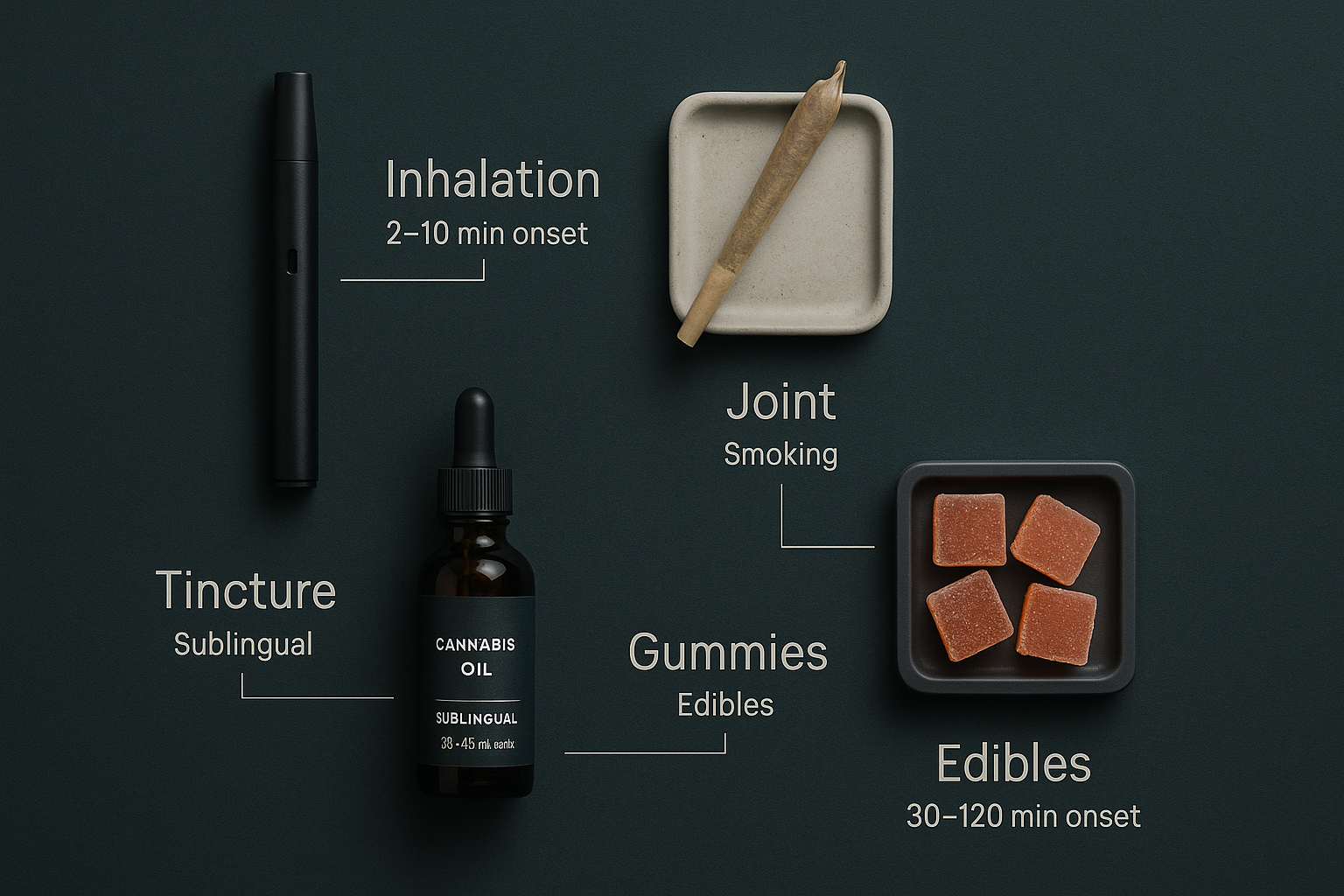
Pick your method based on how quickly and how long you want effects.
Beginner dosing that actually works
Inhalation: Take 1 small puff. Wait 10 minutes. If comfortable, take a second.
Edibles: Start with 1–2.5 mg THC. Wait a full 2 hours before considering more.
Oils/Tinctures: 1–2 mg THC, or 5–10 mg CBD if THC-sensitive. Hold under the tongue ~60 seconds.
Golden rule: Start low, go slow. You can always add; you can’t subtract.
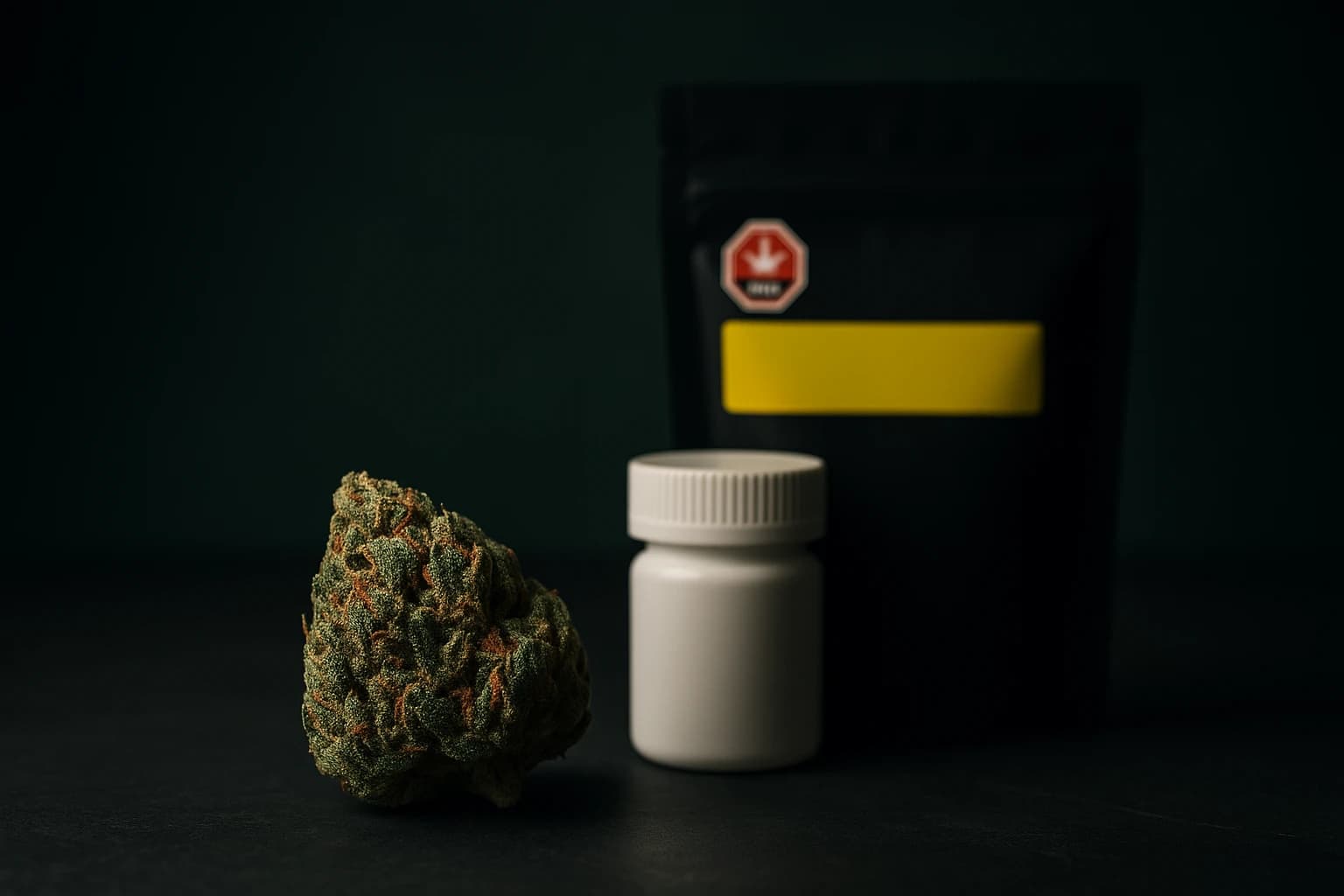
How to read a Canadian cannabis label (fast)
THC/CBD per serving and total per package (for edibles/oils) are the key numbers.
Total THC on dried flower reflects the amount after heating (activation).
Edibles sold legally in Canada are capped at 10 mg THC per package—great for splitting into beginner-friendly doses.
When provided, note dominant terpenes (e.g., limonene = citrus/bright; myrcene = earthy/relaxing).
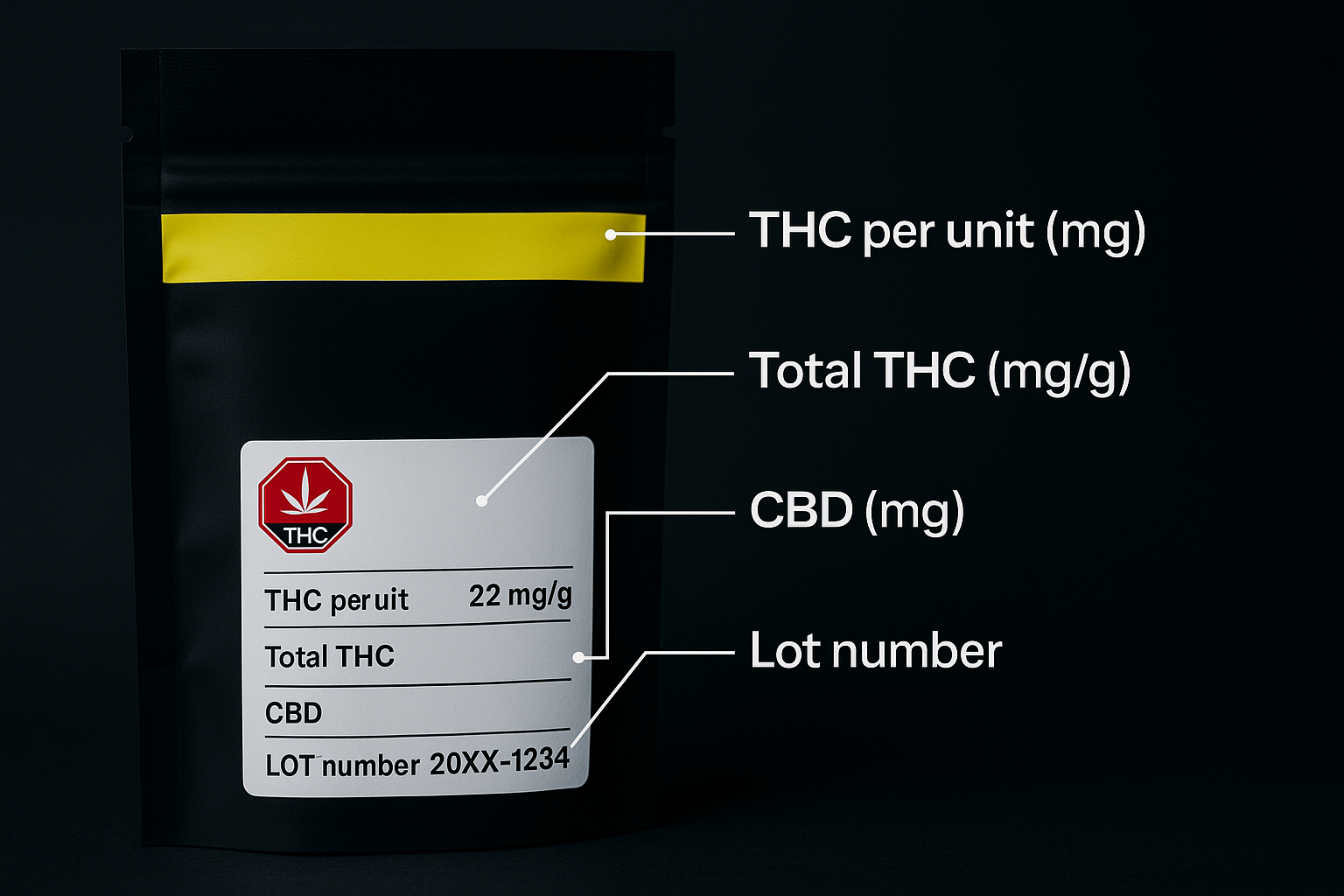
Label literacy = confidence. Dose beats hype every time.
Safety, comfort & common sense
Skip alcohol when using cannabis; mixing can amplify impairment and nausea.
Choose your setting: first sessions are best at home, with a trusted person, and no tight deadlines.
Have CBD on hand: some beginners find 10–20 mg CBD helps if THC feels too intense.
Hydrate and breathe: light snacks, water, and time are your allies.
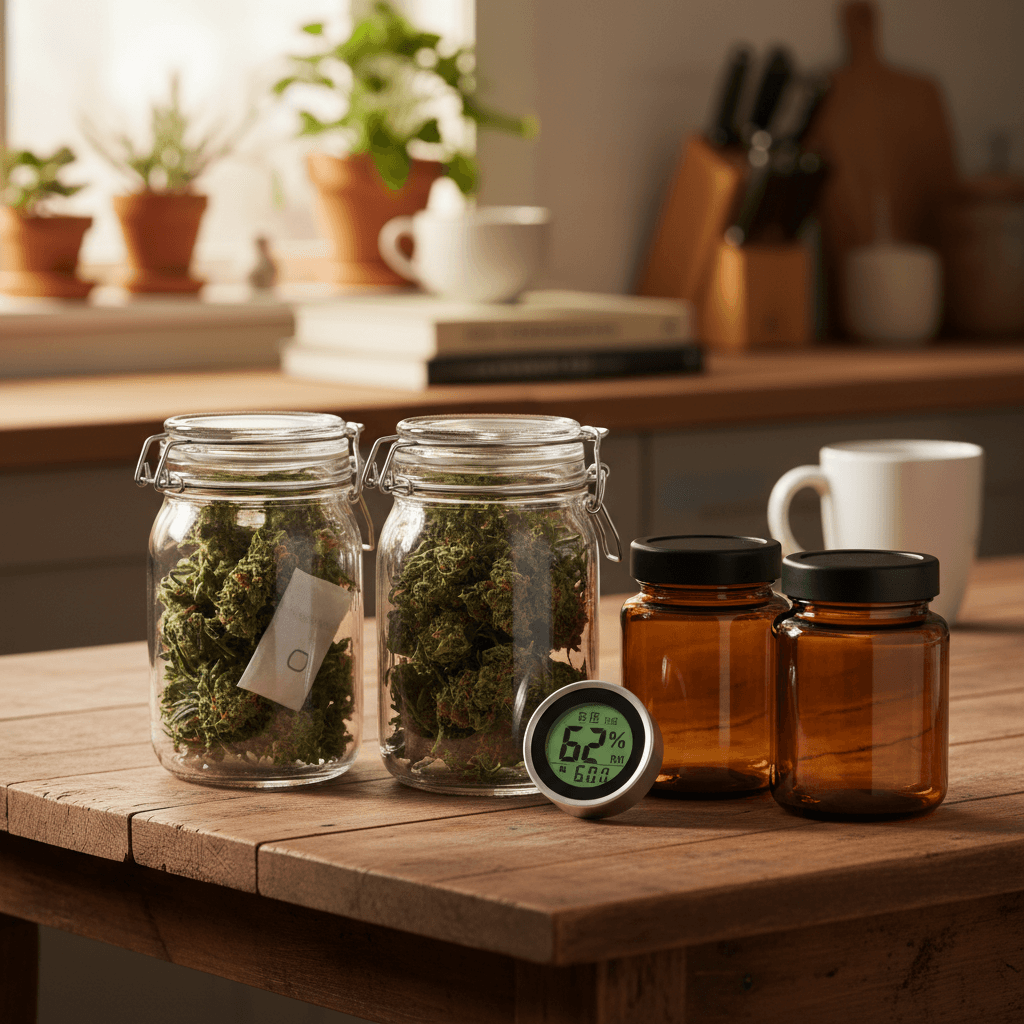
Store securely: lock away edibles like you would alcohol or meds—especially around kids and pets.
Health check: if you have medical conditions or take prescription meds, consult a clinician first.
Legal snapshot (Canada)
This is a general overview for adults. Local rules evolve—always check your province/territory.
Public possession: up to 30 g dried cannabis (or equivalent) for non-medical adults.
Minimum age: set by province/territory (19 in most; 18 in Alberta; 21 in Québec).
Home grow: federal law permits up to 4 plants per household from licensed seeds/seedlings; some provinces/municipalities restrict or prohibit home cultivation—verify locally.
Driving: drug-impaired driving is illegal. Never drive high.
Travel: do not cross international borders with cannabis—even where legal.
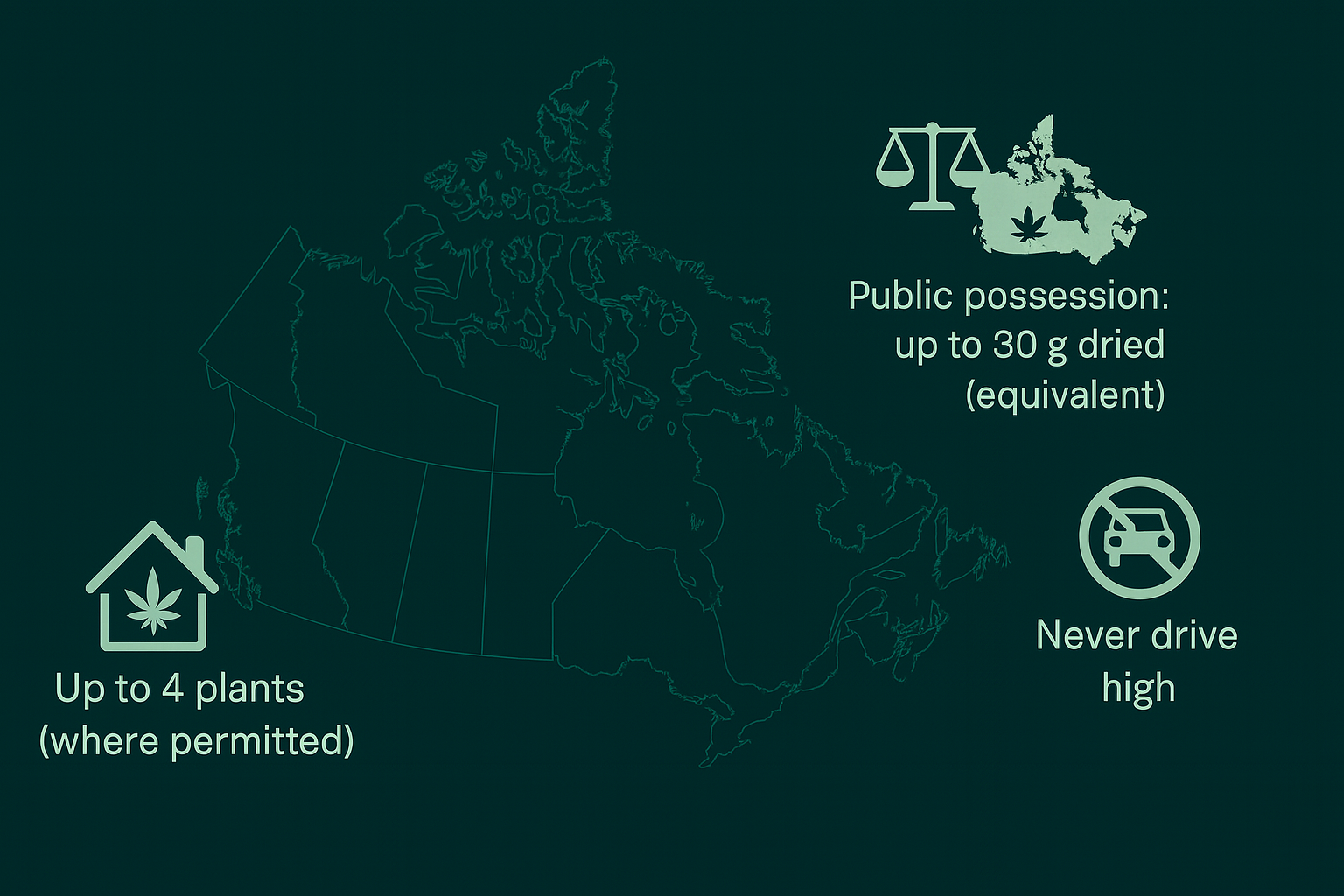
Know your province’s rules; when in doubt, assume the strictest standard.
Your first session: a calm, step-by-step plan
Plan the window: clear your evening; eat normally; hydrate.
Pick one method (don’t mix on day one).
Dose conservatively (see ranges above).
Set a timer: 10-minute check-ins for inhalation; 120 minutes for edibles.
Journal it: dose, time, method, mood, body feel, anything notable.
Close down: water or tea; aim for normal sleep.
Next time: change just one variable (method, dose, or terpene profile).
Quick FAQ
Can I “overdose” on cannabis?
Not in the fatal sense like alcohol or opioids, but too much THC can feel rough (anxiety, dizziness, rapid heartbeat). Time, hydration, calm breathing—and, for some, CBD—usually help.
How do I avoid the classic edible mistake?
Measure carefully, start at 1–2.5 mg THC, and don’t redose for at least 2 hours. High-fat meals can increase absorption and intensity.
What if I mainly want better sleep?
Try CBD-dominant or very low THC first—on a weekend. Build a broader sleep routine (light, screens, caffeine) rather than relying solely on cannabinoids.
Keep learning (related reads in The Green Guide)
Beginner’s Guide to Cannabis Dosage
Smoking vs. Vaping: Health, Cost & Experience
How to Dose Homemade Edibles (Calculator)
Understanding Terpenes: Why Your Weed Smells Like Citrus or Pine
Editor’s note: This article supports responsible adult use in Canada and is not medical advice. Always follow current laws and product labels.