If you’ve ever stared at the ceiling at 2:37 a.m. while your brain replays every awkward moment you’ve had since middle school, you already understand insomnia. It’s not just “trouble sleeping.” It’s the frustrating gap between being exhausted and being able to rest.
So it’s no surprise that people ask a big question: Can cannabis cure insomnia?
Short answer: No—cannabis is not a cure for insomnia.
Longer, more useful answer: Some people find that certain cannabis products may help support sleep, while others don’t—and understanding why matters far more than chasing a miracle fix.
This article isn’t here to sell you a promise. It’s here to explain what we actually know, what’s still uncertain, and how cannabis fits—carefully and responsibly—into the broader conversation about sleep.
Insomnia Isn’t One Thing (And That’s the First Problem)
Before cannabis enters the chat, it’s important to understand insomnia itself. Insomnia isn’t a single condition with a single cause. It’s an umbrella term that can include:
Difficulty falling asleep
Waking frequently during the night
Waking too early and not being able to fall back asleep
Poor sleep quality despite adequate time in bed
And the causes are just as varied: stress, anxiety, irregular schedules, caffeine, screen time, pain, medications, lifestyle habits, and underlying health conditions.
This matters because no single substance—cannabis included—can “cure” something that isn’t a single problem to begin with.
Why People Associate Cannabis With Sleep
Despite the lack of a “cure,” many people report that cannabis feels sleep-supportive. That perception didn’t appear out of thin air.
Cannabis can influence:
Relaxation
Perceived stress
Mental quiet
Physical comfort
Time perception
For some people, those shifts make it easier to wind down at night. For others, cannabis does nothing for sleep—or actively makes it worse.
So what’s actually happening?

THC, CBD, and Sleep: A Complicated Relationship
Cannabis isn’t one compound—it’s a complex mix. The two most discussed cannabinoids in sleep conversations are THC and CBD, and they behave very differently.
THC
THC can make some people feel drowsy, relaxed, or mentally slowed—especially at lower to moderate amounts. That’s why it’s often associated with falling asleep faster. However, THC can also:
Increase heart rate
Heighten anxiety in some users
Reduce REM sleep in frequent users
That last point matters. REM sleep is linked to dreaming, memory consolidation, and emotional processing. Regular disruption may leave people feeling less refreshed over time—even if they fall asleep faster.
CBD
CBD does not cause intoxication and doesn’t reliably cause drowsiness on its own. Instead, some people report that CBD helps them feel calmer or less mentally “busy,” which may indirectly support sleep. Others notice no effect at all.
Importantly, responses vary wildly based on dose, timing, individual biology, and the presence of other compounds.
If you’re new to these differences, CannaRadar’s educational guides break them down clearly:
👉 The Differences Between THC and CBD Explained Simply
Terpenes Matter More Than You Think
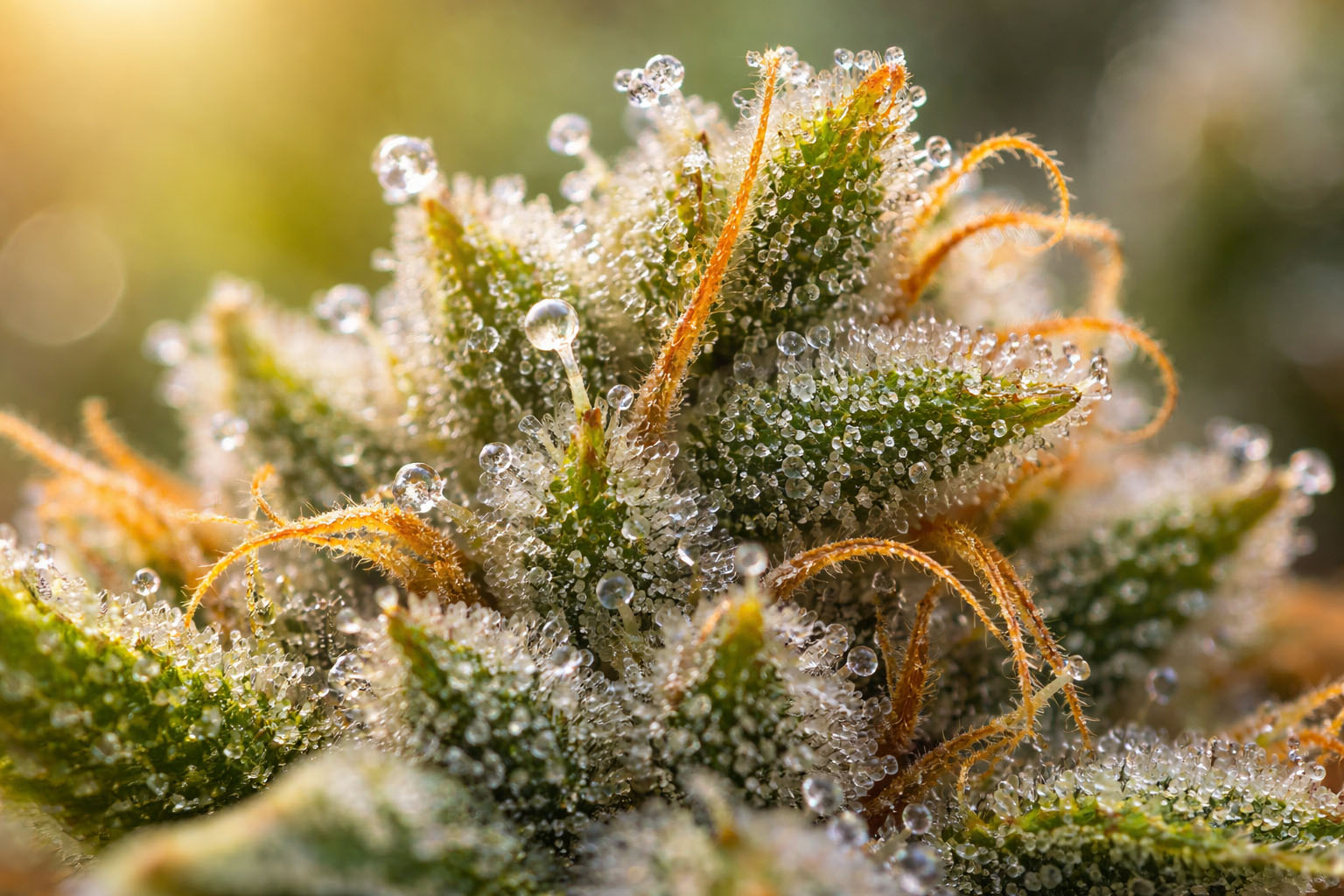
Here’s where many sleep conversations go off the rails. People focus on THC percentages and ignore terpenes—the aromatic compounds that strongly influence how cannabis feels.
Certain terpene profiles are commonly associated with calming or sedating experiences, while others are stimulating.
Examples often discussed in sleep contexts include:
Myrcene (earthy, musky): often perceived as relaxing
Linalool (floral, lavender-like): commonly associated with calm
Caryophyllene (peppery): often described as grounding
This doesn’t mean these terpenes “treat insomnia.” It means they may shape how cannabis feels, which may or may not support someone’s wind-down routine.
To understand terpene effects more deeply:
👉 Cannabis Terpenes Explained
What Research Actually Suggests (Without the Hype)
Scientific research on cannabis and sleep is ongoing, mixed, and far from conclusive.
What studies generally suggest:
Some individuals report short-term sleep improvements
Effects vary based on compound ratios and frequency of use
Long-term, frequent THC use may alter sleep architecture
Cannabis does not address underlying causes of insomnia
In other words: Cannabis may help some people manage sleep-related symptoms temporarily, but it does not cure insomnia itself.
That distinction matters—for safety, for honesty, and for trust.
Why Cannabis Sometimes Makes Sleep Worse
It’s important to say this clearly: cannabis can interfere with sleep for some people.
Possible reasons include:
Anxiety or racing thoughts triggered by THC
Increased heart rate
Disrupted REM sleep with frequent use
Rebound sleep disturbances when stopping use
This is why “I slept great on weed” and “weed ruined my sleep” can both be true—just for different people.
A Healthier Way to Think About Cannabis and Sleep
Instead of asking whether cannabis cures insomnia, a more honest question is:
Can cannabis be part of a responsible, supportive wind-down routine for some people?
For some adults, the answer may be yes—when used cautiously, infrequently, and as part of broader sleep-supportive habits like:
Consistent bedtimes
Reduced evening screen exposure
Stress management
Comfortable sleep environments
Cannabis should never replace:
Medical advice
Evidence-based sleep treatment
Addressing root causes like stress, pain, or anxiety
If you’re exploring cannabis products, discovery tools like CannaRadar help people compare options responsibly:
👉 Find Cannabis Products Near You
The Real Takeaway
Cannabis does not cure insomnia.
It may help some adults feel more relaxed or comfortable at night.
It may worsen sleep for others.
And it never replaces addressing why sleep is disrupted in the first place.
The smartest approach isn’t hype or fear—it’s informed choice.
At CannaRadar, our goal is to help Canadians understand cannabis clearly, responsibly, and without exaggeration—so you can make decisions that fit your life, not someone else’s promise.