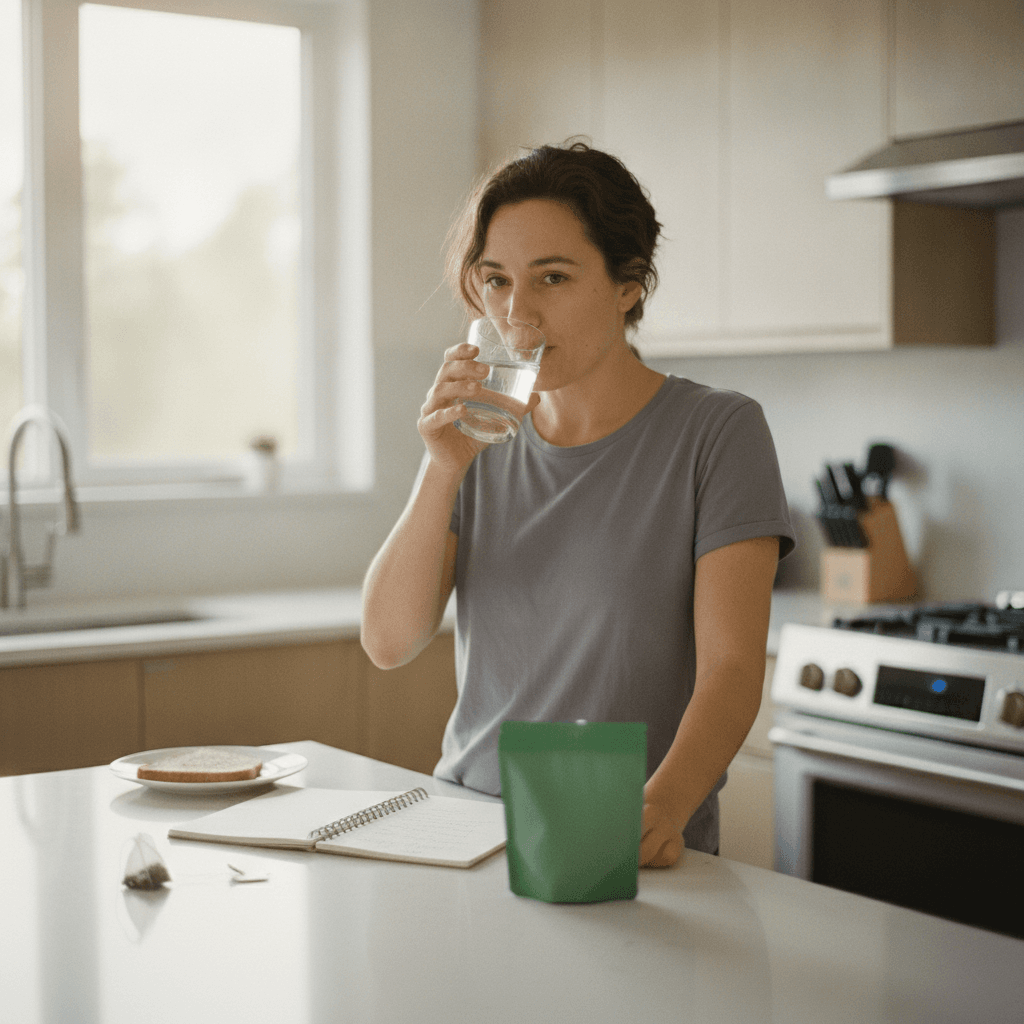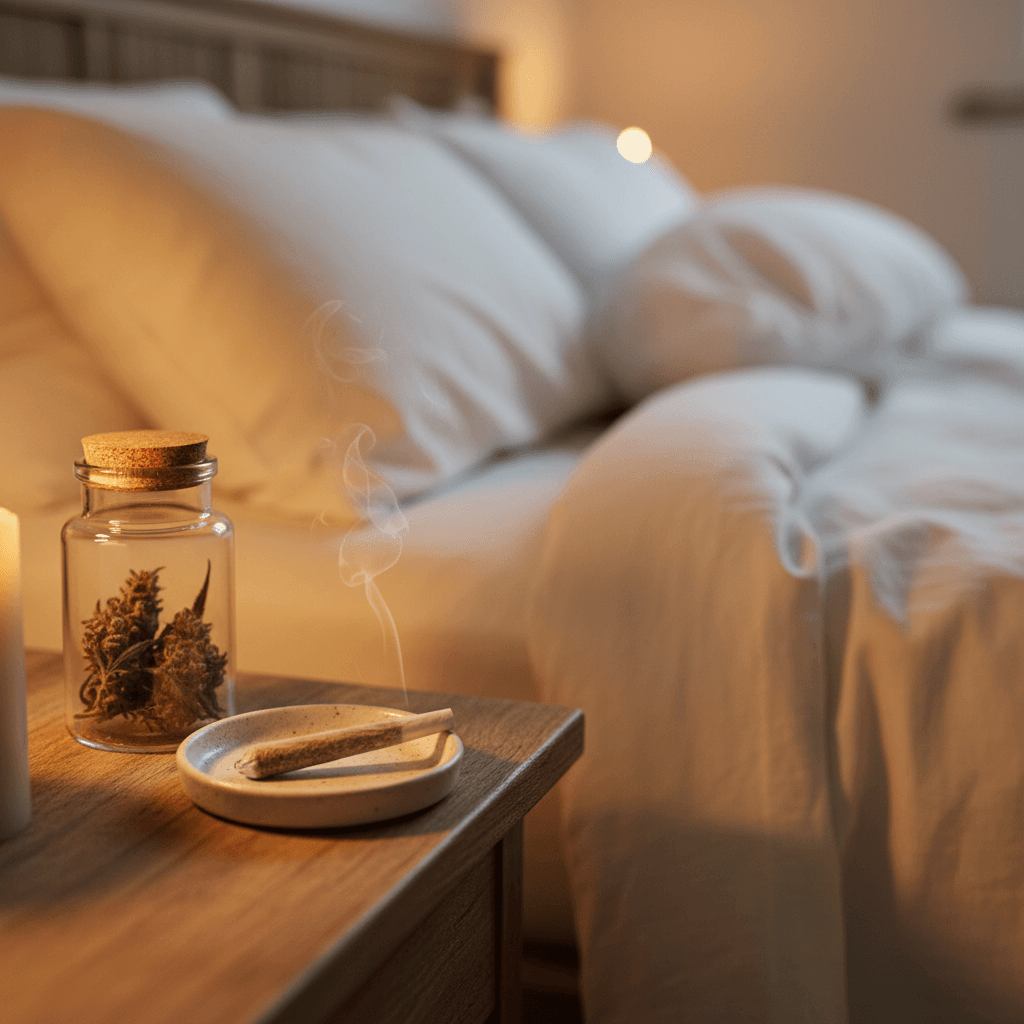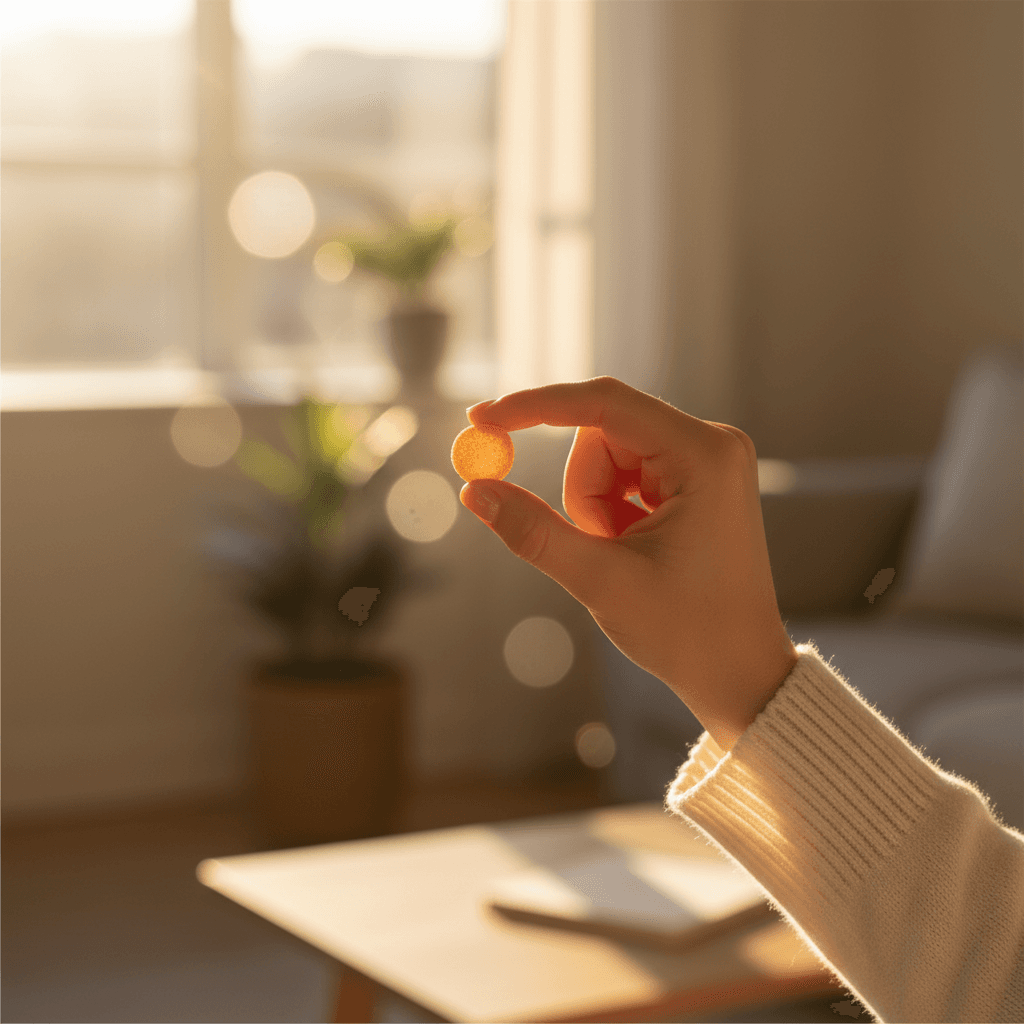
You don't need to get high to benefit from cannabis.
That might sound like heresy on a weed website, but hear me out. There's a growing movement of people — professionals, parents, athletes, creatives — who are using cannabis in doses so small they'd barely register on a lab test. They're not chasing a buzz. They're chasing clarity, calm, and a little creative spark without the couch-lock or the paranoia.
Welcome to microdosing cannabis. It's not new, but it's finally getting the attention it deserves.
What Exactly Is Microdosing Cannabis?
Microdosing means consuming sub-perceptual or barely perceptual amounts of THC — typically between 1 mg and 5 mg — to get the therapeutic benefits without feeling "stoned." Think of it like the difference between a glass of wine with dinner and doing shots at the bar. Same substance, completely different experience.
The sweet spot for most people? 2.5 mg of THC. That's roughly one-quarter of a standard 10 mg edible, or a single puff held for about two seconds. At this dose, you're unlikely to feel impaired. What you might notice is a subtle lift in mood, a loosening of tension in your shoulders, or the kind of gentle focus that makes a spreadsheet feel slightly less soul-crushing.
Dr. Dustin Sulak, a cannabis clinician who's been studying low-dose therapy since 2012, puts it simply: "The goal is to use the minimum effective dose. Most people are surprised how little they actually need."
Why People Microdose (It's Not Just for Hippies)
Let's kill the stereotype right now. Microdosing cannabis isn't about getting a "lite" high. People do it for specific, practical reasons:
Focus and Productivity
Low-dose THC (1–2.5 mg) can enhance divergent thinking — the kind of open-ended, creative problem-solving that helps when you're brainstorming or writing. A 2023 study in Psychopharmacology found that very low doses of THC improved creative output without impairing working memory. In other words, you get the "shower thoughts" without forgetting what you walked into the room for.
Anxiety and Stress Relief
Here's where dosing gets tricky and important. High-dose THC (above 15–20 mg for most people) can increase anxiety. But at 2.5–5 mg, THC tends to have anxiolytic (anti-anxiety) effects. A study from the University of Illinois at Chicago confirmed this biphasic pattern: low doses reduced stress, while higher doses amplified it. If you've ever had a panic attack from an edible, it wasn't the cannabis — it was the dose.
Pain Management
Chronic pain patients are some of the biggest adopters of microdosing. Instead of taking a large dose and being couch-locked all afternoon, they maintain a steady baseline of 2.5 mg every 4–6 hours. This approach keeps inflammation and pain signals in check without the fog. It's especially popular among people managing arthritis, fibromyalgia, and migraine conditions.
Sleep Onset (Not Sedation)
A full-strength edible at bedtime might knock you out, but it can also suppress REM sleep. Microdosing — particularly with strains high in myrcene or linalool — can help you relax into sleep naturally without the groggy morning-after feeling. Think 2.5 mg THC + 5 mg CBD about 90 minutes before bed.
Social Situations
Not everyone wants to be the person at the party who can't follow a conversation. A 2.5 mg mint or gummy before a social gathering can take the edge off social anxiety while keeping you fully present and articulate. It's the cannabis equivalent of "one beer."
The Science: Why Less Really Is More
Cannabis has a biphasic effect, which is a fancy way of saying it does opposite things at different doses. This is the single most important concept in microdosing.
- Low dose (1–5 mg THC): Mood elevation, mild relaxation, improved focus, reduced anxiety, subtle pain relief
- Moderate dose (5–15 mg): Noticeable euphoria, altered perception, stronger pain relief, potential coordination effects
- High dose (15+ mg): Intense psychoactive effects, potential anxiety/paranoia, heavy sedation, significant impairment
Your endocannabinoid system (ECS) — the network of receptors that THC interacts with — responds to small inputs with remarkable sensitivity. At low doses, THC gently modulates your CB1 receptors without overwhelming them. It's like turning a dimmer switch up slightly instead of flipping on a floodlight.
There's also emerging research on sensitization vs. tolerance. Regular high-dose users build tolerance quickly, needing more for the same effect. But microdosers often report the opposite — over weeks of consistent low dosing, they become more sensitive to THC, needing less over time. Dr. Sulak calls this "resensitization," and it's a compelling argument for the less-is-more approach.
How to Start Microdosing: A Practical Protocol
Here's a no-nonsense starting framework. Adjust based on your body, your tolerance, and your goals.
Step 1: Find Your Baseline
If you're currently a regular cannabis user, take a 48-hour tolerance break first. This resets your CB1 receptors enough to make low doses effective again. If you're brand new to cannabis, skip ahead — you're already at baseline.
Step 2: Start at 1 mg THC
Yes, one milligram. This is deliberately below what most people feel. The point is to establish a floor. Take it in the morning or early afternoon on a day when you have no high-stakes obligations.
Step 3: Increase by 0.5–1 mg Every Two Days
Stay at each dose for at least two sessions before adjusting. You're looking for the minimum effective dose — the point where you notice subtle benefits without feeling altered. For most people, this lands between 2 and 5 mg.
Step 4: Maintain Consistency
Microdosing works best with regular use at the same dose and timing. Most people find a morning dose + optional afternoon redose pattern works well. Think of it like a supplement, not a party drug.
Step 5: Take Periodic Breaks
Even at micro doses, your body adapts. A 2-day break every 2–3 weeks helps maintain sensitivity. Some people do "weekdays on, weekends off" or vice versa.
Best Products for Microdosing in Canada
Not all cannabis products are created equal when it comes to precise, low dosing. Here's what works best:
🏆 Edibles and Beverages (Best for Beginners)
Canadian licensed edibles max out at 10 mg THC per package, which actually makes them perfect for microdosing. Look for products that come in 2.5 mg portions — many brands now offer gummies, mints, and chocolates specifically designed for low-dose use.
Cannabis beverages are another great option. They're typically 2.5–5 mg per can, onset is faster than traditional edibles (15–30 minutes vs. 60–120), and the experience curve is gentler. Check your local licensed dispensary or browse same-day delivery options for nano-emulsion beverages.
🌿 Tinctures and Oils (Best for Precision)
Sublingual tinctures give you the most control. A standard dropper lets you measure down to 0.5 mg increments, and holding it under your tongue for 60 seconds means faster absorption than eating an edible. Onset: 15–45 minutes. Duration: 4–6 hours.
💨 Vaporizers (Best for Immediate Effect)
If you need instant onset, a single short draw from a dry herb vaporizer at low temperature (170–180°C) delivers roughly 1–3 mg of THC. The challenge is consistency — it's harder to control exact milligrams with inhalation. Best for experienced users who know their tolerance. Check our glossary for vaporizer terminology if you're new to this.
💊 Capsules (Best for Set-and-Forget)
Pre-measured capsules (typically 2.5 or 5 mg) take the guesswork out entirely. Swallow with food, wait 60–90 minutes, and you're set for 6–8 hours. Great for pain management or all-day anxiety relief.
Microdosing THC vs. CBD vs. Both
This is where it gets interesting. THC and CBD interact in ways that matter for microdosing:
- THC alone (1–5 mg): Best for mood, creativity, mild pain. Slight psychoactivity at the higher end.
- CBD alone (5–25 mg): Anti-inflammatory, anxiolytic, no psychoactivity. Good but different mechanism.
- THC + CBD combined: The magic ratio. CBD moderates THC's psychoactive edge while enhancing its therapeutic effects. A 1:1 ratio (e.g., 2.5 mg THC + 2.5 mg CBD) is the gold standard for microdosers who want benefits without any mental shift at all.
Many of Canada's best delivery services now carry balanced 1:1 products specifically marketed for daytime use. They're worth trying if straight THC feels like too much even at low doses.
Common Mistakes (and How to Avoid Them)
❌ Starting Too High
"5 mg is barely anything" — famous last words. If you're new or returning after a break, 5 mg can absolutely be psychoactive. Start at 1–2.5 mg. You can always take more tomorrow. You can never take less today.
❌ Expecting Immediate Results from Edibles
Edibles take 60–120 minutes. We've all heard the horror story: "I didn't feel anything after 30 minutes so I took another one." Don't be that person. Set a timer. Wait the full two hours.
❌ Inconsistent Timing
Microdosing is a practice, not a one-off experiment. Random sporadic doses won't give you meaningful data on what works. Pick a schedule and stick to it for at least two weeks before judging.
❌ Ignoring Terpenes
A 2.5 mg gummy made with a myrcene-heavy extract will feel different from one made with limonene-dominant extract. Terpenes shape the experience even at micro doses. Pay attention to strain profiles on the label.
❌ Not Tracking
Keep a simple log: date, product, dose, time taken, effects noticed (or not). After two weeks, patterns emerge. Without tracking, you're just guessing.
Who Should NOT Microdose Cannabis
Real talk — microdosing isn't for everyone:
- People under 25: Your brain is still developing. Even low-dose THC may affect neural development. Wait, or stick to CBD-only.
- Pregnant or breastfeeding: No safe dose of THC has been established during pregnancy. Full stop.
- People on certain medications: THC interacts with blood thinners, some antidepressants (SSRIs), and sedatives. Talk to your doctor — seriously.
- Anyone with a personal or family history of psychosis or schizophrenia: Even low-dose THC can be a risk factor.
- People who need to operate heavy machinery or drive: Even sub-perceptual doses may affect reaction time in some individuals. Don't risk it.
Microdosing and Canadian Law: What You Should Know
Good news: microdosing is completely legal in Canada for anyone of legal age (18 or 19 depending on province). All the products mentioned in this guide — edibles, tinctures, capsules, vapes — are available through licensed retailers across the country.
The 10 mg per-package edible limit that Canada enforces actually works in your favor here. Unlike some U.S. states where a single gummy might contain 50–100 mg, Canadian products are inherently designed for lower dosing. A standard 10 mg pack of gummies gives you four perfect 2.5 mg microdoses.
Just remember: legal doesn't mean unregulated. Buy from licensed sources so you know exactly what's in the product. Lab-tested, properly labeled, no guesswork.
A Sample Microdosing Week
Here's what a practical microdosing routine might look like for someone managing work stress and mild anxiety:
- Monday–Friday, 8:30 AM: 2.5 mg THC tincture (sublingual, held 60 seconds)
- Monday–Friday, 2:00 PM (optional): 2.5 mg THC + 2.5 mg CBD gummy (for afternoon slump)
- Tuesday & Thursday, 9:00 PM: 2.5 mg THC + 5 mg CBD capsule (sleep support)
- Saturday & Sunday: Off (tolerance maintenance)
Total weekly THC: roughly 25–35 mg. For comparison, a single "regular" edible experience might use 10–20 mg in one sitting. Microdosing spreads that across an entire week.
The Bottom Line
Microdosing cannabis isn't about deprivation — it's about precision. It's the difference between using cannabis as a blunt instrument and using it as a scalpel. For focus, for calm, for pain management, for sleep — the evidence and the anecdotal reports are stacking up that less really is more.
Start low. Go slow. Track everything. And if you need help finding the right low-dose products, browse our dispensary directory or check out delivery services in your area.
Your endocannabinoid system will thank you for not yelling at it.