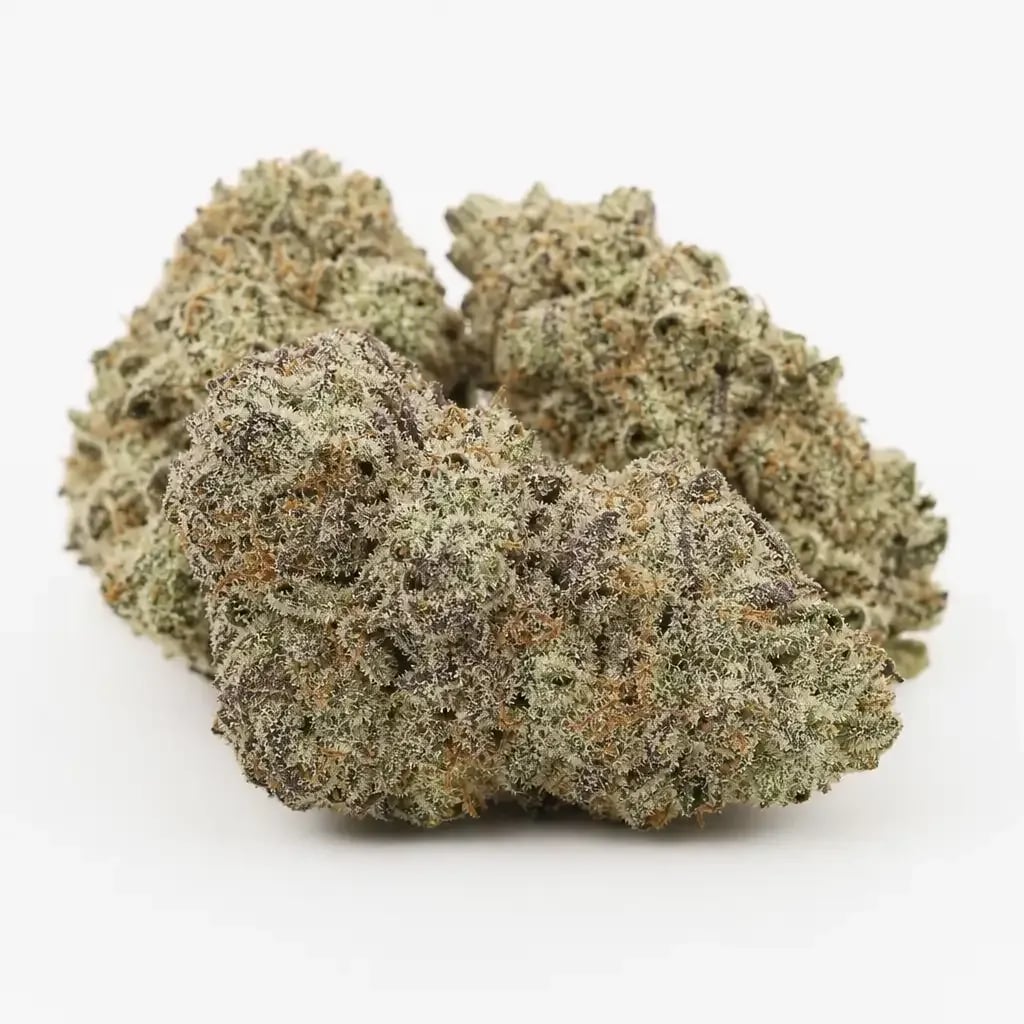
XJ-13
XJ-13 is a sativa-leaning hybrid recognized for its bright, upbeat character and clear-headed feel. Many users report a fast-acting boost of focus and creativity, alongside citrus, pine, and earthy notes. With Jack Herer and G13 Haze in its lineage, it often suits daytime plans, social settings, and projects that benefit from an energetic lift.
Reported potency and effects can vary by cultivar, batch, and producer. Use this Canadian comparison profile as a guide, not medical advice.
Profile details
Common Uses
Cannabinoids
THC: 18%
CBD: 0.5%
CBG: 0%
Genetics
Terpenes
Quick Facts
XJ-13 is commonly described as a sativa-leaning hybrid with moderate-to-strong potency. THC levels often sit around 16% to 20%, while CBD is usually minimal. Its terpene profile is frequently associated with terpinolene, caryophyllene, and myrcene, which help shape the strain’s bright aroma and lively character. Many users choose XJ-13 when they want a functional daytime option that feels more stimulating than heavy.
Because cannabis results can vary by person, the experience may feel more cerebral for some and more balanced for others. The strain is often noted for a quick onset, a clear mood lift, and a flavor profile that blends citrus brightness with pine and a grounded earthy finish.
Strain Effects
XJ-13 is often described as a strain that starts in the head first. Many users report an immediate sense of uplift, mental clarity, and a stronger desire to talk, create, or stay active. That makes it a common pick for daytime routines, casual hangs, brainstorming sessions, or low-pressure tasks where a foggy, sedating effect would be less desirable.
The effect profile is usually framed as energizing rather than overwhelming, though the exact experience can depend on dose, tolerance, and the specific batch. Some people notice a gentle body relaxation underneath the upbeat mental tone, which can help keep the experience from feeling too racy. At higher amounts, the stimulating side of XJ-13 may feel stronger, so users who are sensitive to potent sativas may prefer to start low and go slow.
Commonly reported side effects are similar to those seen with many THC-dominant strains and may include dry mouth or dry eyes. In some cases, especially with larger servings, users may feel a little overstimulated or uneasy. Those effects are not guaranteed and vary widely from one person to another.
Flavor & Aroma
XJ-13 typically has a sharp, fresh aroma that leads with citrus and pine. Terpinolene is often linked to the strain’s lively top notes, while caryophyllene and myrcene can add spice and softness in the background. When the flower is broken up, the scent often becomes brighter and more herbal, with a subtle earthy depth that keeps it from smelling overly sweet.
On the inhale, many users notice a lemony or orange-like citrus note, followed by a clean pine accent. The exhale often leaves behind an earthy, lightly spicy finish that can feel smooth and well-rounded. That combination gives XJ-13 a profile that is easy to remember without being overly sugary or dessert-like. It appeals to people who prefer classic, terpene-forward cannabis flavors over heavier or candy-style profiles.
Genetics & Lineage
XJ-13 is a cross of Jack Herer and G13 Haze, two strains that are widely associated with bright, cerebral effects and pronounced aromatics. Jack Herer contributes to the strain’s clear-headed, energetic reputation, while G13 Haze is often linked to haze-forward intensity and a layered, lingering finish.
That lineage helps explain why XJ-13 tends to feel lively while still retaining enough balance to remain approachable for many consumers. The genetic background is also a strong reason the strain often carries a citrus-pine profile with herbal undertones. In practical terms, the cross is known for delivering a more upbeat hybrid experience rather than a heavy, couch-focused one.
Growing Information
Growing notes for XJ-13 are typically described as moderate in difficulty, which means it may be a better fit for cultivators with some prior experience. The plant is often reported to grow tall with a bushier structure, reflecting its sativa influence. Indoor growers may need to manage stretch during flowering and provide adequate support if branches become heavy with buds.
Flowering time is commonly around 8 to 9 weeks, though this can vary by phenotype and growing conditions. Many growers look for warm, dry conditions and attentive airflow to help reduce humidity-related issues. Buds are often described as dense and resinous, with a terpene profile that becomes more pronounced as harvest approaches. Yields are frequently characterized as moderate to high, depending on environment, training, and overall plant health.
As with any cultivar, results can differ widely based on setup, nutrient approach, and climate control. Outdoor cultivation is generally best suited to a stable, sunny season, while indoor growers may have more control over aroma, structure, and final quality.
Medical Uses (Optional)
While cannabis should not be treated as a medical remedy, some users report choosing XJ-13 for general stress relief, low mood, or when they want a strain that feels more motivating than sedating. Its upbeat reputation may appeal to people looking for a daytime option that supports social engagement or creative focus.
That said, responses can vary significantly, and THC can affect individuals differently. Anyone considering cannabis for wellness-related reasons should take personal tolerance into account and follow local guidance. A healthcare professional can help with questions about cannabis use in the context of a medical condition or medication routine.
Strain FAQs
Q: Is XJ-13 indica or sativa?
A: XJ-13 is generally classified as a sativa-leaning hybrid. Many users describe it as more uplifting and energetic than relaxing, though the exact balance can vary by batch.
Q: What does XJ-13 taste like?
A: XJ-13 is commonly described as citrus-forward with pine and earthy notes. Some users also notice a light spicy finish on the exhale.
Q: How strong is XJ-13?
A: XJ-13 is often found in the moderate-to-strong range, with THC commonly around 16% to 20%. The experience can still feel strong for newer consumers or those sensitive to THC.
Q: Is XJ-13 good for daytime use?
A: Many users report that XJ-13 fits daytime plans well because it can feel upbeat and mentally engaging. It is often chosen for social time, errands, or creative work.
Q: Does XJ-13 make you sleepy?
A: XJ-13 is not usually described as a sleepy strain. Some people may feel a gentle body calm later on, but the overall profile is typically more energetic than sedating.
Q: What terpenes are in XJ-13?
A: XJ-13 is commonly associated with terpinolene, caryophyllene, and myrcene. These terpenes help shape its citrus-pine aroma and balanced herbal finish.
Why Choose XJ-13
XJ-13 stands out for people who want a strain that feels bright, functional, and flavorful without leaning too heavily into sedation. Its Jack Herer and G13 Haze lineage gives it a recognizable lift, while the citrus, pine, and earthy notes make it a classic choice for terpene-focused consumers. If you like XJ-13, you may also want to compare it with Jack Herer or Super Lemon Haze.
Strain Excerpt
XJ-13 is a sativa-leaning hybrid with citrus-pine flavor, a generally upbeat effect profile, and a reputation for creative, daytime-friendly sessions. Its moderate THC range and terpene-rich aroma make it a familiar option for users seeking an energetic but approachable hybrid experience.