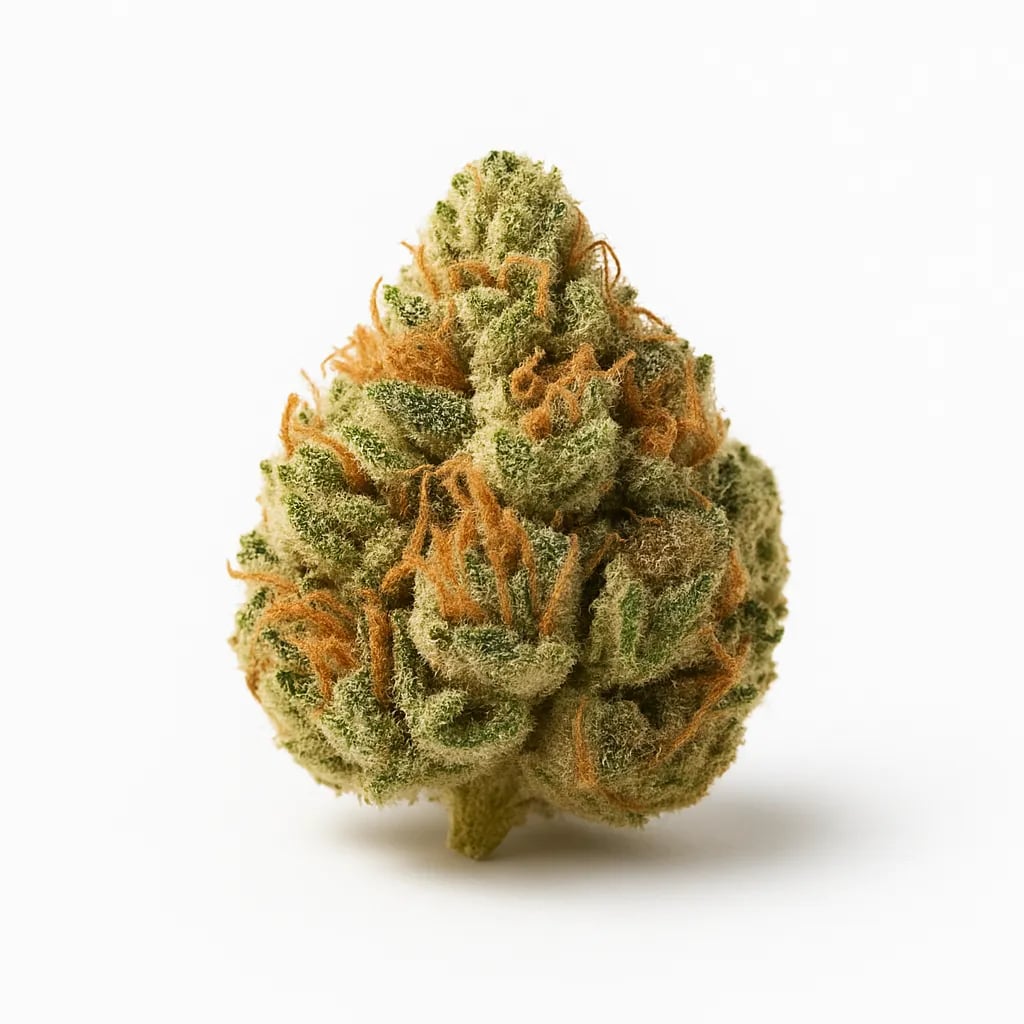
Viper
Viper is a sativa-leaning cannabis strain known for its lively, clear-headed character. Many users report an energizing, uplifting experience that can suit daytime tasks and creative sessions. Its bright citrus-pine profile and brisk pace have earned Viper a reputation as a go-to option when a motivating feel is desired.
Reported potency and effects can vary by cultivar, batch, and producer. Use this Canadian comparison profile as a guide, not medical advice.
Profile details
Reported Effects
Common Uses
Cannabinoids
THC: 20%
CBD: N/A%
CBG: 0%
Genetics
Quick Facts
Type: Sativa
THC: 18–24% (varies by batch)
CBD: 0–1% (typically low)
Dominant Terpenes: Terpinolene, Limonene, Beta-Caryophyllene, Alpha-Pinene, Myrcene
Flavors: Citrus, Pine, Herbal, Peppery, Sweet
Effects: Uplifted, Energizing, Focused, Creative, Talkative
Best For: Daytime use, creative work, social settings, outdoor activities
Strain Effects
Viper is typically reported to come on at a moderate pace, often within minutes, with a bright head-focused feel. Many users describe a sense of uplift, mental clarity, and a nudge toward conversation or creativity. In higher amounts, some users note that the stimulation can feel racy.
Common side effects may include dry mouth, dry eyes, and—especially with larger servings—feelings of anxiousness, mild paranoia, or dizziness. Start low and go slow to gauge your personal response. Effects may vary by person.
Flavor & Aroma
Viper’s aroma often leans fresh and zesty, led by terpinolene and limonene that suggest citrus peel and resinous pine. On the inhale, users frequently notice lemon-lime brightness with a crisp conifer note; the exhale can bring herbal and peppery spice from beta-caryophyllene, sometimes leaving a light sweetness on the palate.
Genetics & Lineage
The exact lineage of Viper is not firmly established. It’s often reported as a cross of South American and Burmese heritage, though sources vary and breeder details are not universally confirmed. As with many classic sativa-leaning cultivars, expressions can differ by producer and phenotype.
Growing Information
Growers commonly describe Viper as a vigorous, stretch-prone plant that benefits from training to manage height and increase light penetration.
Difficulty: Intermediate
Flowering Time: Approximately 9–10 weeks indoors; early October outdoors in favourable climates
Yield: Moderate to high with proper training
Ideal Conditions: Warm, sunny environment with strong airflow; respond well to topping, LST, and SCROG
Plant Traits: Tall structure, notable internodal stretch, spearlike colas, citrus-pine aroma
Medical Uses (Optional)
Some consumers choose Viper when seeking a generally uplifting daytime option. Anecdotally, it may be selected for moments of general stress, low motivation, or when a clear, focused headspace is desired. These are user reports only and not medical claims.
Strain FAQs
Q: Is Viper more suitable for day or night?
A: Many users prefer Viper during the day due to its typically energizing and focusing character.
Q: What does Viper taste like?
A: Users often report citrus and pine on the inhale, with herbal and peppery notes on the finish.
Q: How potent is Viper?
A: Potency varies by producer, but it’s commonly found in the 18–24% THC range with low CBD. Always check the label on your specific product.
Q: Are there side effects?
A: Dry mouth and dry eyes are commonly noted. In higher amounts, some users report anxiousness or dizziness.
Q: Can new consumers enjoy Viper?
A: Newer consumers may enjoy it in small amounts. Start low and go slow to gauge comfort with its sativa-forward effects.
Why Choose Viper
Viper stands out for its zesty citrus-pine profile and a lively, clear-headed feel that many users find suitable for daytime and creative tasks. It’s a practical pick for those who enjoy classic sativa traits, from social ease to focused momentum. If you’re seeking an energizing option with bright flavour and brisk pace, Viper fits the bill.