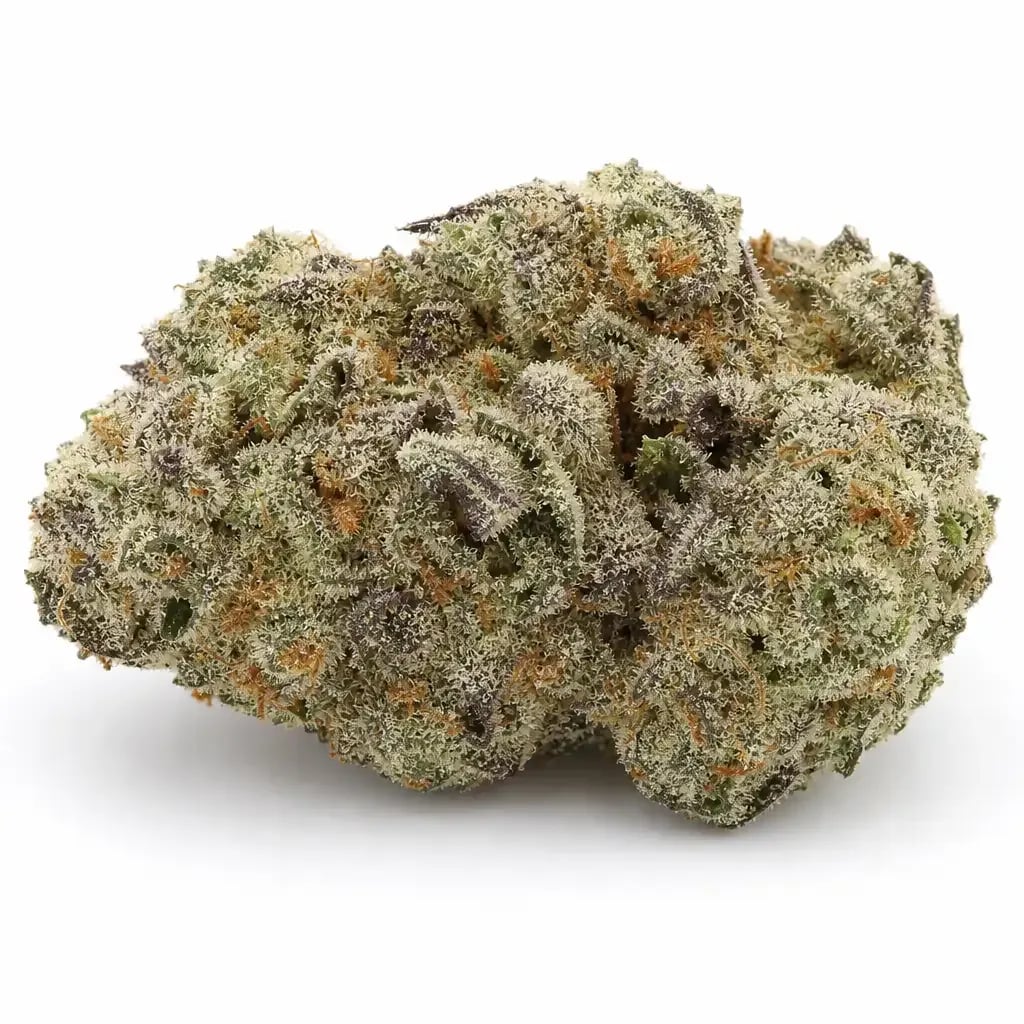
Sunburn
Sunburn is a hybrid strain often described as bright, citrus-forward, and gently energizing, with a balanced finish that keeps it versatile for daytime or early evening use. Many users report an upbeat head high, light creativity, and mild body relaxation, while its zesty aroma leans on limonene, pinene, and myrcene.
Reported potency and effects can vary by cultivar, batch, and producer. Use this Canadian comparison profile as a guide, not medical advice.
Profile details
Reported Effects
Common Uses
Cannabinoids
THC: 20%
CBD: 0.1%
CBG: 0%
Genetics
Quick Facts
Sunburn is generally classified as a hybrid strain with a reputation for lively, mood-lifting effects and a flavor profile that tends to highlight citrus, pine, and a subtle earthy sweetness. Public information about the cultivar is limited, so exact lineage is not well documented, but many users describe it as leaning slightly sativa in feel. THC commonly falls in the moderate-to-strong range, while CBD is typically very low.
Type: Hybrid
THC: approximately 16–24%
CBD: usually under 0.5%
Dominant terpenes: limonene, pinene, myrcene
Common flavors: citrus, pine, earthy, sweet
Common effects: uplifted mood, energy, euphoria, creativity, mild relaxation
Strain Effects
Sunburn is commonly described as a strain that starts with a clear, upbeat mental shift before easing into a softer physical finish. Many users report that the onset can feel fairly quick when inhaled, with noticeable head pressure, a brighter mood, and a more talkative or idea-friendly mindset. That opening phase is often paired with a sense of motivation or alertness rather than heavy sedation.
As the experience develops, the effects may become more balanced. Some users notice a gentle body calm that rounds out the energetic first impression without making the strain feel overly heavy. Because of that, Sunburn is often chosen for projects, errands, casual conversations, or other activities where a lifted but manageable high is preferred. As with any cultivar, potency and personal tolerance can shape the experience significantly.
Commonly reported side effects include dry mouth, dry eyes, and occasional dizziness, especially at higher doses. Sensitive users may also feel momentary restlessness or anxiety if they overconsume, so starting low and going slowly is a sensible approach.
Flavor & Aroma
Sunburn’s terpene mix points to a bright, fresh profile that often opens with lemon, orange peel, or other sharp citrus notes. Limonene is usually associated with that zesty top note, while pinene contributes a clean pine aroma that can make the scent feel crisp and airy. Myrcene may add a soft herbal depth and a slightly ripe, earthy undertone.
On the inhale, many users report a citrus-dominant taste with hints of pine resin or fresh-cut greenery. The exhale often shifts toward earthy sweetness, sometimes with a mild herbal finish that lingers on the palate. Rather than being pungent or gassy, Sunburn is commonly described as bright and approachable, making it appealing to people who enjoy cleaner, fruitier flavor profiles.
Genetics & Lineage
The exact parent strains for Sunburn are not clearly established in public records, and different sources may describe it simply as a hybrid. Because of that, it is best to treat any specific lineage claims with caution unless they come directly from a licensed producer or breeder. What is more consistent is the strain’s overall character: a hybrid profile with an uplifting lean and a citrus-pine expression.
In the absence of verified parentage, the most useful way to understand Sunburn is through its reported effects and terpene profile. Its combination of limonene, pinene, and myrcene is often associated with a brighter, more active experience than many heavier hybrids. If a producer lists confirmed lineage on packaging or lab materials, that source should be considered the most reliable reference.
Growing Information
Grow information for Sunburn can vary depending on the breeder or phenotype, but it is generally viewed as a manageable hybrid for growers with some experience. Many hybrid plants with this kind of effect profile tend to perform well in controlled indoor environments where temperature, humidity, and airflow can be kept stable. Outdoors, a warm, sunny climate is usually the most favorable.
Flowering time is often estimated at about 8 to 10 weeks, though actual results depend on the exact cut and growing conditions. Yields are commonly described as moderate, with quality and bud density influenced by light intensity, nutrition, and plant training. Resin production may be noticeable, and some growers report compact, attractive flowers with green coloration and orange pistils. Good airflow is especially helpful if buds develop a dense structure.
Because the strain’s public cultivation data is limited, it is smart to treat all growing notes as general guidance rather than fixed rules. As with any cultivar, phenotype differences can affect stretch, finishing time, and terpene expression.
Medical Uses (Optional)
Sunburn is not a medical product, and no strain can be guaranteed to address a specific condition. That said, many users seek hybrids like this for general mood support, temporary stress relief, mild fatigue, or help easing into a more relaxed state without feeling heavily sedated. Individual responses can differ based on dose, tolerance, and the setting in which it is used.
Because Sunburn is often described as uplifting first and calming second, it may be more appealing to people who want a functional daytime option rather than a strain associated with sleepiness. Anyone using cannabis for wellness reasons should consider starting with a small amount and speaking with a qualified health professional when appropriate.
Strain FAQs
Q: Is Sunburn indica or sativa?
A: Sunburn is classified as a hybrid, but many users describe it as sativa-leaning. It is often associated with an energetic, upbeat start and a mild relaxing finish.
Q: What does Sunburn taste like?
A: Sunburn is commonly reported to taste like citrus and pine, followed by earthy and slightly sweet notes on the exhale. The flavor is usually described as bright and fresh rather than heavy or diesel-like.
Q: How strong is Sunburn?
A: Sunburn is often listed around 16–24% THC, with a typical midpoint near 20% for many batches. That places it in a moderate-to-strong range for consumers who are sensitive to THC.
Q: Is Sunburn good for daytime use?
A: Many users find Sunburn suitable for daytime activities because it may feel energizing, creative, and mood lifting. It can still become more relaxing at higher doses, so personal tolerance matters.
Q: Does Sunburn make you sleepy?
A: Sunburn is not usually described as a heavy sleep strain. Some users notice mild relaxation later in the experience, but the overall profile tends to stay more uplifting than sedating.
Why Choose Sunburn
Sunburn stands out for people who want a citrus-forward hybrid with a clear, upbeat personality and a smooth finish. It can suit social settings, creative work, or lighter daytime plans when a strong body-heavy effect is not the goal. If you like Sunburn, you may also want to compare it with Super Lemon Haze or Lemon Skunk for similarly bright terpene profiles.
Its appeal is often tied to balance: enough mental lift to feel engaging, but not so much intensity that it becomes overwhelming for every situation. That makes it a practical choice for users who enjoy flavorful flower and a functional high that can adapt to different routines.
Strain Excerpt
Sunburn is a hybrid strain with a bright citrus-pine aroma, a mood-lifting onset, and a balanced finish that many users describe as creative, social, and mildly relaxing.