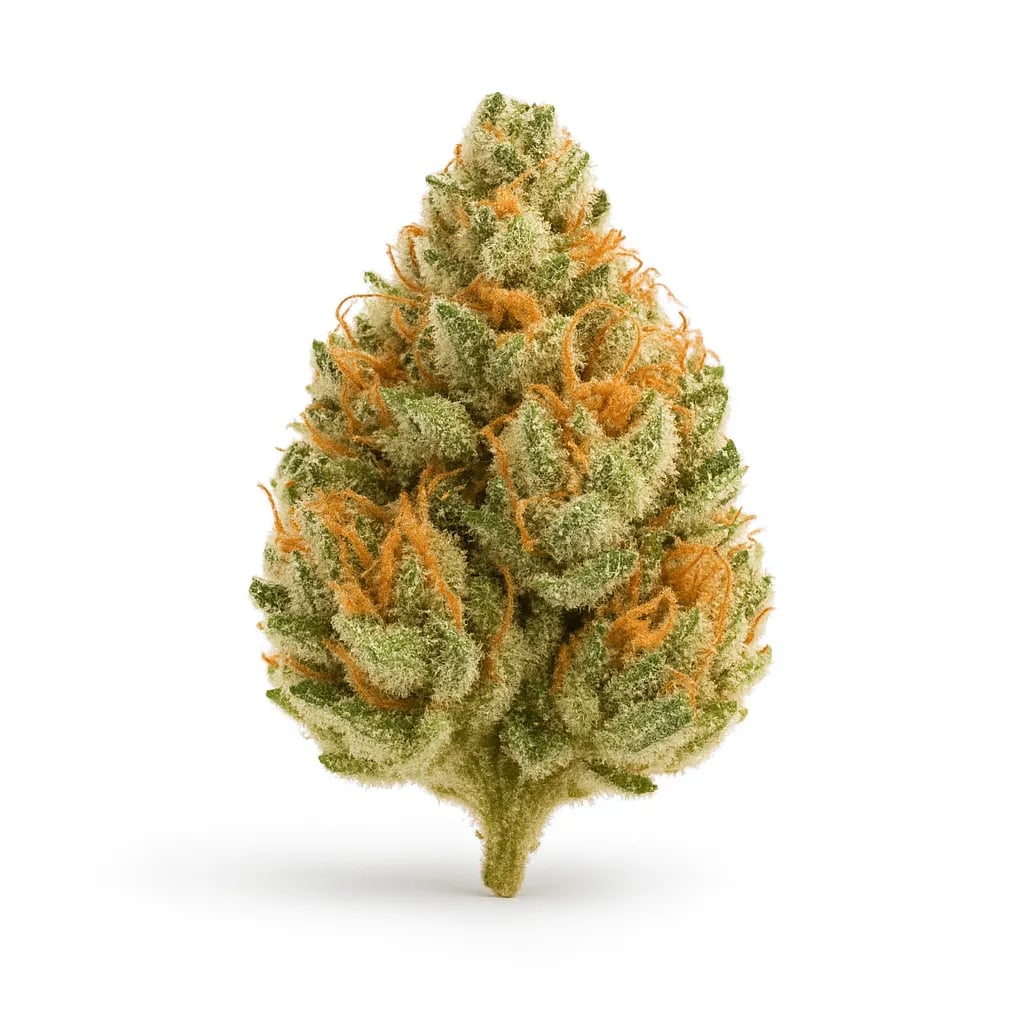
Melonade
Melonade is a sativa-leaning hybrid celebrated for its bright citrus-and-melon bouquet and an upbeat, functional vibe. Many users report a clear-headed lift with gentle body ease, making it a popular choice for daytime plans. Expect vibrant flavours and an aroma that lives up to its name.
Reported potency and effects can vary by cultivar, batch, and producer. Use this Canadian comparison profile as a guide, not medical advice.
Profile details
Reported Effects
Common Uses
Flavors
Cannabinoids
THC: 22%
CBD: 0.3%
CBG: 0%
Genetics
Terpenes
Quick Facts
Type: Hybrid (sativa-leaning)
THC: 18–26% (typical range)
CBD: 0–1% (typical range)
Dominant Terpenes: Limonene, Myrcene, Caryophyllene, Ocimene
Flavors: Melon, lemon zest, tropical, sweet candy, diesel
Effects: Uplifted mood, creative focus, energizing, clear-headed, light body relaxation, sociable
Best For: Daytime use, creative tasks, social settings, light outdoor activities
Strain Effects
Melonade is typically reported to come on fairly quickly, with many users noting an initial mental lift and sharpened focus, followed by a smooth, lightly relaxing body feel. The character often suits conversation, errands, or creative work without heavy sedation.
Commonly reported side effects include dry mouth, dry eyes, and, in some cases, dizziness or feelings of anxiousness/paranoia at higher amounts. Start low and pace your session to find your comfort zone. Effects may vary by person.
Flavor & Aroma
True to its name, Melonade leans into sweet melon notes layered over lemon-zest brightness. Limonene often leads with citrus snap, while myrcene and ocimene may contribute tropical, candy-like tones. On the exhale, some users notice a subtle diesel or herbal spice, likely tied to caryophyllene.
Genetics & Lineage
Melonade is commonly listed as a cross of Watermelon Zkittlez and Lemon Tree. Some producers also reference Lemonade in the broader family tree. Lineage details can vary by breeder and region, but the shared theme is a sweet, citrus-forward profile with uplifting character.
Growing Information
Difficulty: Intermediate (responds well to training and attentive environmental control)
Flowering Time: Approximately 8–10 weeks indoors; late September to early October outdoors in warmer regions
Yield: Medium to high with good light and nutrition
Ideal Conditions: Strong, consistent light; balanced nutrients; moderate humidity (45–55% in late flower) to protect resin and aroma
Plant Traits: Moderate stretch, dense lime-green buds with amber pistils, pronounced citrus–melon aroma, notable trichome coverage
Medical Uses (Optional)
While no outcomes are guaranteed, some consumers report choosing Melonade when looking for:
Day-to-day stress relief
Uplifted mood and motivation
Support with focus for light tasks
Encouraging appetite
This information is anecdotal and not medical advice.
Strain FAQs
Q: Is Melonade good for daytime use?
A: Many users report it feels upbeat and clear, making it a common daytime pick for errands, creative work, or social settings.
Q: What does Melonade taste like?
A: Expect sweet melon and lemon-zest flavours with tropical candy notes and a faint diesel or herbal edge on the finish.
Q: How strong is Melonade?
A: Reported THC levels often fall in the 18–26% range. Potency perception varies, so starting with a low amount is recommended.
Q: What are the main terpenes in Melonade?
A: Limonene typically leads, with myrcene, caryophyllene, and ocimene also commonly noted.
Q: Who bred Melonade?
A: Lineage is commonly cited as Watermelon Zkittlez x Lemon Tree; exact breeder and phenotype details can vary by producer and market.
Why Choose Melonade
Melonade stands out for its sunny, citrus–melon flavour and a typically uplifting, functional profile that many find suitable for daytime activities. It’s a solid fit for flavour chasers and sativa-leaning hybrid fans, from casual consumers to experienced users comfortable with higher THC. If you enjoy bright terpene profiles with a clear-headed feel, Melonade is a natural option to consider.