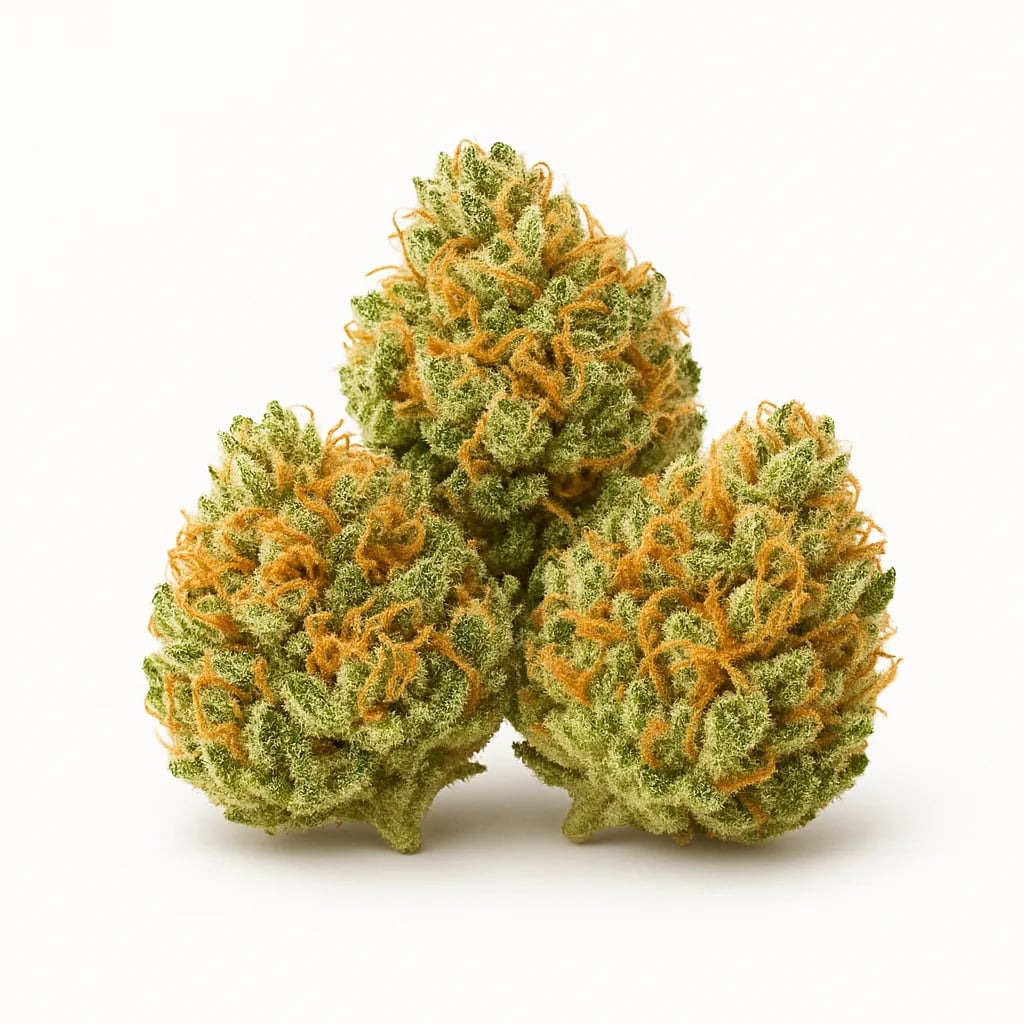
Lemon Skunk
Lemon Skunk is a sativa-leaning classic known for its bright citrus aroma and upbeat character. Many users report an uplifting, energetic experience with a clear-headed buzz that suits daytime activities. Its reputation centres on zesty flavour, functional focus, and a cheerful mood lift.
Reported potency and effects can vary by cultivar, batch, and producer. Use this Canadian comparison profile as a guide, not medical advice.
Profile details
Reported Effects
Common Uses
Cannabinoids
THC: 18%
CBD: 0.2%
CBG: 0.3%
Genetics
Quick Facts
Type: Sativa
THC: 16–22% (typical)
CBD: 0–1% (typically low)
Dominant Terpenes: Limonene, Beta-Caryophyllene, Myrcene, Terpinolene
Flavors: Lemon, citrus, skunk, sweet, herbal, pine
Effects: Uplifting, energetic, cerebral buzz, creative focus, mood lift, mild body relaxation
Best For: Daytime use; creative tasks, social settings, outdoor activities, general stress
Strain Effects
Lemon Skunk is typically reported to come on at a moderate pace, with many users noticing a clear, cerebral lift within the first few minutes. The experience is often described as upbeat and focusing, with a light body ease that stays functional for daytime plans. Common side effects may include dry mouth, dry eyes, and, in higher amounts, anxiousness or mild paranoia; some users also mention occasional dizziness. Effects may vary by person.
Flavor & Aroma
True to its name, Lemon Skunk leans hard into citrus. Limonene drives a fresh lemon-zest note up front, supported by a classic skunky backbone. Hints of sweet herb, pine, and light spice (from beta-caryophyllene) can emerge on the exhale, while myrcene softens the edges with a gentle, earthy sweetness. Terpinolene can add a crisp, fruity-pine lift that keeps the profile lively from inhale to finish.
Genetics & Lineage
Lemon Skunk traces back to two carefully selected Skunk #1 phenotypes known for their lemon-forward aroma. Popularized by DNA Genetics, this pairing preserved the classic Skunk structure while highlighting bright citrus terpenes that set the cultivar apart in modern sativa-leaning selections.
Growing Information
Difficulty: Moderate (benefits from training and odour control)
Flowering Time: ~8–9 weeks indoors; early October outdoors in milder climates
Yield: Medium to high with proper canopy management
Ideal Conditions: Warm, well-ventilated environment (around 20–26°C) with consistent light intensity
Plant Traits: Vigorous stretch, branchy structure, dense citrus-skunk aroma, sativa-leaning morphology
Training Tips: LST or SCROG to maximize light penetration; prune lower growth to manage airflow
Medical Uses (Optional)
Some adult consumers report that Lemon Skunk may help take the edge off day-to-day stress, support a more positive mood, and encourage focus or motivation for light tasks. Experiences are personal and subjective, and no effects are guaranteed.
Strain FAQs
Q: Is Lemon Skunk an indica or sativa?
A: It is generally considered a sativa-leaning strain, often described as uplifting and functional for daytime use.
Q: How strong is Lemon Skunk?
A: Many batches test in the mid-to-high teens up to low 20% THC. Potency varies by producer and lot.
Q: What does Lemon Skunk taste like?
A: Bright lemon and citrus are most prominent, with classic skunk notes and accents of sweet herb and pine.
Q: When is the best time to use it?
A: Many users prefer Lemon Skunk during the daytime for creative projects, social plans, or light outdoor activities.
Q: Are there any side effects?
A: Dry mouth and dry eyes are commonly reported; higher amounts may lead to anxiousness or mild paranoia for some. Start low and go slow.
Why Choose Lemon Skunk
Lemon Skunk stands out for its lively citrus profile and an upbeat character that many find suitable for daytime focus and social settings. With classic Skunk lineage refined for lemon-forward terpenes, Lemon Skunk appeals to those seeking bright flavour and a clear, functional vibe without heavy sedation.