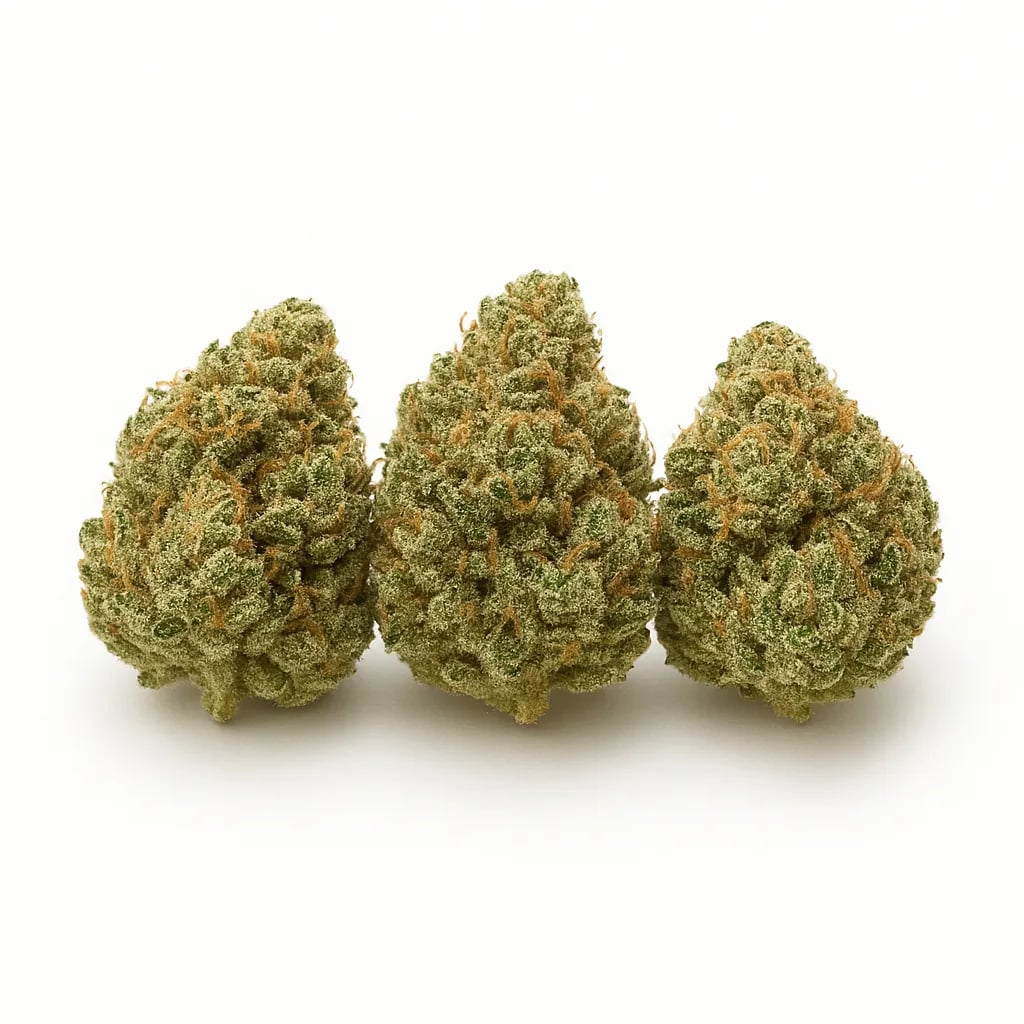
King Tut
King Tut is a sativa-leaning cannabis strain known for its lively, uplifting character and citrus-pine aroma. Many users report a fast, energetic onset that can suit daytime activities and creative tasks.
Reported potency and effects can vary by cultivar, batch, and producer. Use this Canadian comparison profile as a guide, not medical advice.
Profile details
Common Uses
Cannabinoids
THC: 18%
CBD: 0.5%
CBG: 0.2%
Genetics
Quick Facts
Type: Sativa-dominant
THC: 14–20%
CBD: 0–1%
Dominant Terpenes: pinene, limonene, beta-caryophyllene, myrcene
Flavors: pine, citrus, herbal, spicy, earthy
Effects: uplifting, energetic, creative, focused, euphoric
Best For: daytime use, creative work, socializing, light tasks
Strain Effects
Many users report that King Tut produces a quick, uplifting head high that can boost energy and creativity without heavy sedation. The onset is often fast and the peak may be felt within minutes. Common side effects that are typically reported include dry mouth and dry eyes; less commonly users report feelings of anxiety, paranoia, or dizziness at higher doses. Effects may vary by person.
Flavor & Aroma
King Tut has a bright, piney aroma with clear citrus overtones. Pinene and limonene typically give the strain its fresh, resinous top notes, while beta-caryophyllene and myrcene add spicy and earthy depth. On inhale you may notice a sharp pine and citrus tang; the exhale often carries warmer herbal and peppery spices.
Genetics & Lineage
The exact parentage of King Tut is not well documented and varies by source. It is commonly described as a sativa landrace descendant with roots in older sativa lines. Breeder information and lineage are often listed as unknown or mixed in commercial offerings.
Growing Information
Difficulty: Intermediate (sativa stretch and height management often needed)
Flowering Time: Around 8–10 weeks indoors; outdoor harvest typically late season
Yield: Moderate to above average with proper training and light
Ideal Conditions: Warm, sunny environment, good airflow, regular feeding during flowering
Plant Traits: Tall, lanky sativa structure with airy buds and noticeable stretch
Medical Uses (Optional)
While no medical claims are made here, many users report that King Tut's uplifting and focused effects can help with mood-related concerns and daytime symptom management. It is typically chosen by those seeking energy, motivation, or a creative boost rather than sedation.
Strain FAQs
Q: What kind of high does King Tut produce?
A: Many users report an uplifting, energetic head high that can promote creativity and focus, especially at low to moderate doses.
Q: How strong is King Tut?
A: THC commonly falls in the mid-to-high teens (typically around 14–20%), so it can feel quite potent for inexperienced users; start low and go slow.
Q: When is the best time to use King Tut?
A: Many people prefer King Tut during the daytime for creative tasks, social activities, or situations where alertness and energy are desired.
Q: Is King Tut hard to grow?
A: Growers usually rate King Tut as intermediate: plants can get tall and may need training or topping to manage stretch and maximize yield.
Why Choose King Tut
King Tut stands out for its lively sativa character, bright citrus-pine flavour and fast, uplifting effects. King Tut is a good fit for daytime users, creative types, or anyone looking for a motivating, social buzz rather than heavy sedation.