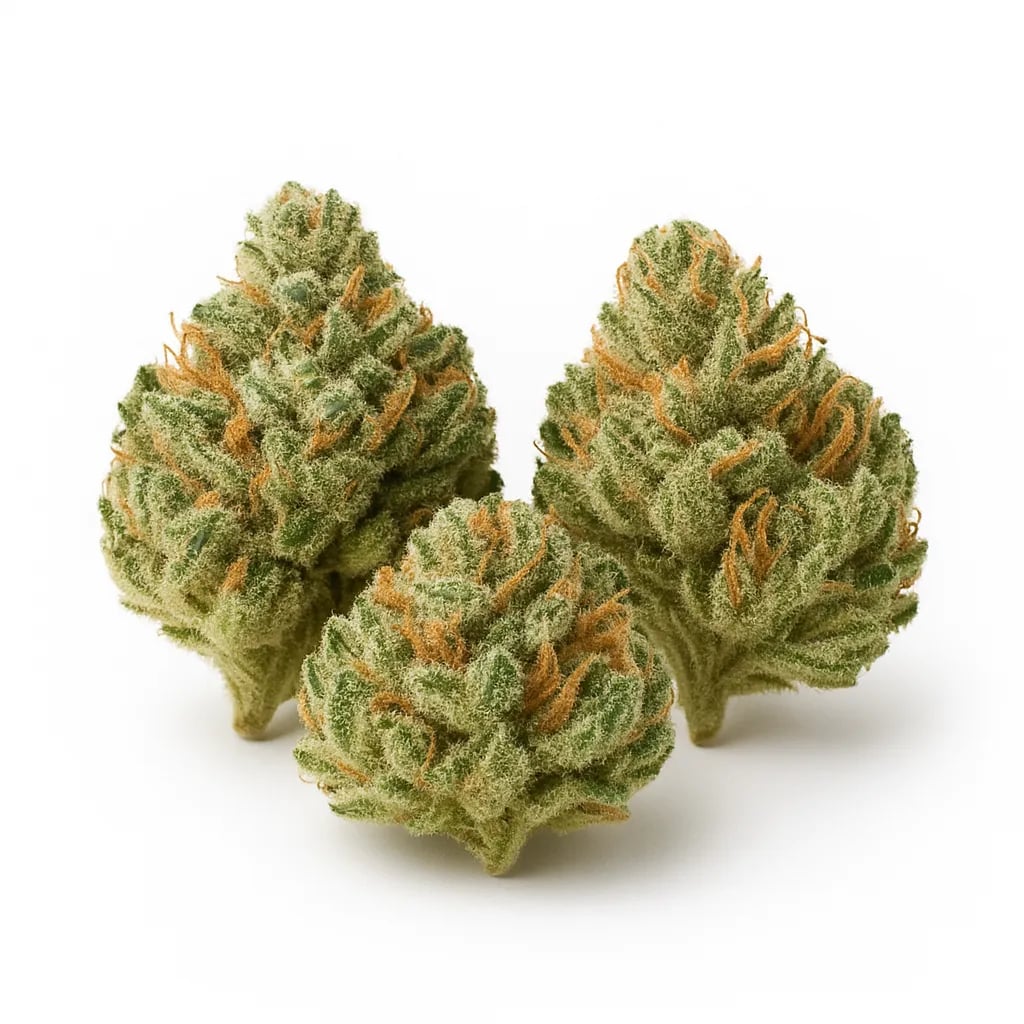
Dutch Treat
Dutch Treat is a hybrid cannabis strain long associated with Amsterdam coffee shops and West Coast menus. Many users report a balanced profile that can feel both uplifting and relaxing, with clear-headed focus for light tasks or casual socials. It’s often chosen by those who appreciate sweet pine and eucalyptus-forward aromas.
Reported potency and effects can vary by cultivar, batch, and producer. Use this Canadian comparison profile as a guide, not medical advice.
Profile details
Common Uses
Flavors
Cannabinoids
THC: 19%
CBD: 0.3%
CBG: 0.2%
Genetics
Terpenes
Quick Facts
Type: Hybrid (indica-leaning)
THC: typically 16–22%
CBD: typically 0–1%
Dominant Terpenes: terpinolene, myrcene, ocimene, pinene, caryophyllene
Flavors: sweet pine, eucalyptus, citrus, berry, herbal
Effects: uplifted, relaxed, euphoric, focused, creative
Best For: late afternoon or evening; unwinding, light creative work, and easy social settings
Strain Effects
Users typically report a fairly quick onset when inhaled—often within minutes—bringing an uplifted mood paired with calm body relaxation. Many find the experience clear enough for conversation or simple creative tasks, while larger servings may feel more sedating.
Commonly noted side effects include dry mouth, dry eyes, dizziness, or occasional feelings of anxiety or paranoia when overconsumed. Start low and go slow, especially with edibles, where effects can take 30–120 minutes to appear. Effects may vary by person.
Flavor & Aroma
Dutch Treat is known for a bright, terpinolene-led bouquet that blends sweet pine and eucalyptus with accents of citrus and light berry. On the inhale, expect a forest-like freshness with herbal undertones; the exhale often leans resinous and slightly sweet, with a lingering pine-citrus finish. Pinene and ocimene contribute to the crisp, clean character, while myrcene and caryophyllene round out the earthier edges.
Genetics & Lineage
The lineage most commonly reported for Dutch Treat is Northern Lights x Haze, though exact origins vary by breeder. The strain’s reputation grew in the Netherlands and later became a staple on the West Coast of North America, where multiple phenotypes and cuts circulate.
Growing Information
Difficulty: Moderate
Flowering Time: About 8–9 weeks indoors; early to mid-October outdoors in suitable climates
Yield: Medium to high with proper training
Ideal Conditions: Temperate environment (around 20–26°C), moderate humidity, strong airflow; responds well to SCROG or light LST
Plant Traits: Bushy, medium height; dense, sticky buds with bright green hues and orange pistils; notable pine-eucalyptus aroma in late flower
Medical Uses (Optional)
While no outcomes are guaranteed, many consumers report choosing Dutch Treat for everyday stress, general relaxation, and mood uplift. Some also note support for winding down in the evening or sparking light creativity. Individual experiences differ, and results are not assured.
Strain FAQs
Q: Is Dutch Treat more relaxing or energizing?
A: Many users find it balanced—uplifting up front with a relaxing finish, depending on serving size and personal tolerance.
Q: What does Dutch Treat taste like?
A: It’s often described as sweet pine and eucalyptus with citrus and light berry notes, finishing herbal and resinous.
Q: How strong is Dutch Treat?
A: THC commonly falls in the mid-to-high teens up to the low 20s, though potency varies by producer and batch. Start low and go slow.
Q: Can beginners enjoy Dutch Treat?
A: Yes, in modest amounts. Its balanced profile is approachable, but new consumers should begin with a small dose and wait to assess effects.
Why Choose Dutch Treat
Dutch Treat stands out for its sweet pine-eucalyptus flavour and balanced, feel-good profile that many users report as both uplifting and relaxing. It suits casual evenings, light creative sessions, and social hangouts without getting too heavy at lower amounts. If you enjoy classic aromas with modern reliability, Dutch Treat is a steady pick.