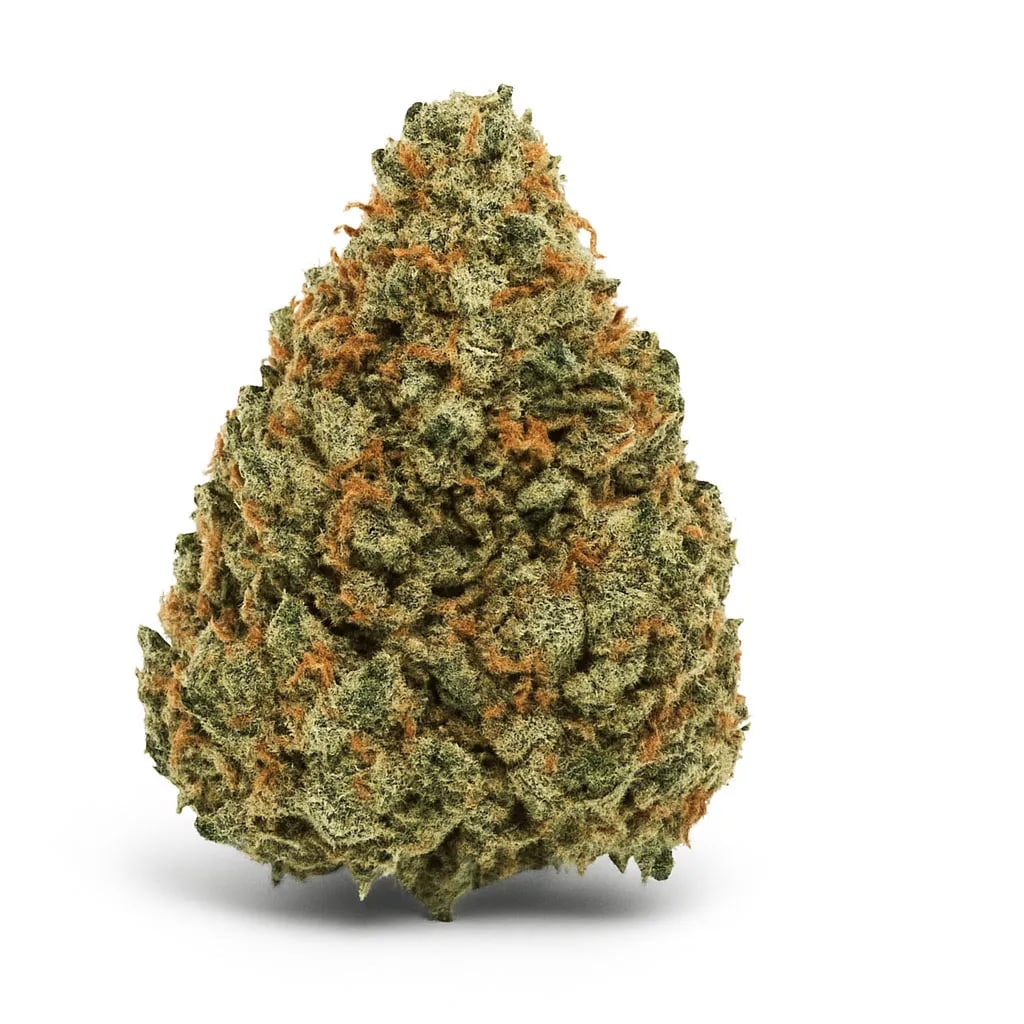
Blue Dream
Blue Dream is a sativa-leaning hybrid known for its approachable, well-rounded profile. Many users report a clear, uplifting head experience paired with gentle body relaxation. It has a long-standing reputation for versatility and daytime usability.
Reported potency and effects can vary by cultivar, batch, and producer. Use this Canadian comparison profile as a guide, not medical advice.
Profile details
Quick Facts
Type: Sativa-leaning Hybrid
THC: 18–22% (typical)
CBD: 0–1% (typically trace)
Dominant Terpenes: Myrcene, Pinene, Caryophyllene, Limonene
Flavors: Blueberry, Sweet Berry, Citrus, Vanilla, Earthy, Pine
Effects: Uplifting, Creative Focus, Calm Body, Happy, Mild Energy
Best For: Daytime use, creative work, social settings, balanced relaxation after work
Strain Effects
Blue Dream is typically reported to offer an upbeat, clear-headed onset that many users feel within minutes when inhaled. The experience often combines a light cerebral buzz with a calm, non-heavy body feel, making it a popular daytime pick for some consumers. Commonly reported side effects include dry mouth, dry eyes, dizziness, and, in higher amounts, occasional anxiety or paranoia for sensitive users. Effects may vary by person.
As with all cannabis products, potency and response can vary widely. Newer consumers may prefer to start low and go slow, especially with unfamiliar lots or formats.
Flavor & Aroma
Blue Dream is known for a sweet berry aroma that hints at fresh blueberries, layered over soft vanilla and citrus notes. On inhale, many users notice a sugary berry flavour with a touch of earth. On exhale, subtle pine and pepper can appear, reflecting its Pinene and Caryophyllene content. Myrcene often adds a musky sweetness, while Limonene may contribute a bright citrus lift.
Genetics & Lineage
Most sources trace Blue Dream to a cross of Blueberry (indica) and Haze (sativa). It is widely associated with California origins, with early popularity around Santa Cruz, before becoming a West Coast staple and later a common name across Canada. Phenotypes can vary by breeder and grower, so the exact expression may differ between lots.
Growing Information
Blue Dream is frequently described as vigorous and moderately easy to cultivate, responding well to training. It tends to develop tall, branchy plants with dense, frosty flowers.
Difficulty: Easy to Moderate
Flowering Time: About 9–10 weeks indoors
Yield: Often above average with proper training
Ideal Conditions: Mild to warm climate, consistent airflow, regular feeding
Plant Traits: Tall stature, strong lateral branching, berry-forward aroma, occasional blue/purple hues in cooler temps
Medical Uses (Optional)
Some consumers in Canada report that Blue Dream may help them unwind from day-to-day stress, support a positive mood, and maintain focus during daylight hours. Others note it as a general choice for relaxation after work. These experiences are subjective and not guarantees.
Strain FAQs
Q: Is Blue Dream more sativa or indica?
A: It is a hybrid that leans sativa in its reported effects, often described as clear and uplifting with a calm body feel.
Q: What does Blue Dream taste like?
A: Many users report sweet blueberry and berry-citrus flavours with notes of vanilla, earth, and light pine.
Q: How strong is Blue Dream?
A: THC levels are commonly in the high-teens to low-20s, but potency varies by producer and batch. Start low and go slow.
Q: Is it good for daytime use?
A: Many people prefer Blue Dream during the day or afternoon due to its typically clear, uplifting profile, but timing is personal.
Q: How long does Blue Dream take to flower?
A: Indoors, it commonly flowers in about 9–10 weeks, with training often improving yields.
Why Choose Blue Dream
Blue Dream stands out for its approachable balance: an uplifting head feel with a calm body, plus a crowd-pleasing berry-forward flavour. It suits a wide range of consumers—from casual users seeking daytime usability to experienced enthusiasts who appreciate consistency and aroma. If you want a versatile hybrid with broad appeal, Blue Dream remains a reliable, well-known choice.