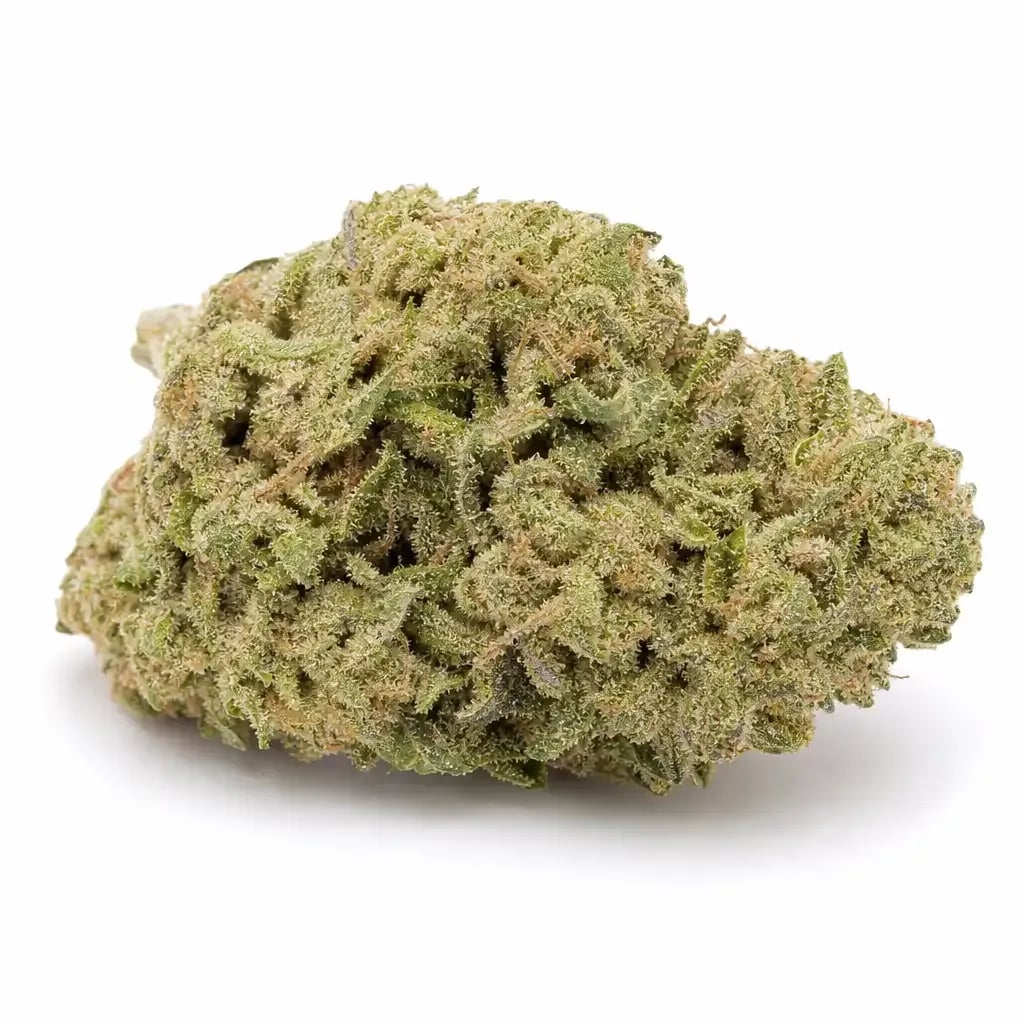
Alaskan Ice
Alaskan Ice is a sativa-leaning strain known for its bright, clear-headed character and classic pine-forward profile. Many users report an uplifting, creative experience that fits daytime plans, conversation, and focused tasks, with sweet, earthy, and herbal notes rounding out the aroma.
Reported potency and effects can vary by cultivar, batch, and producer. Use this Canadian comparison profile as a guide, not medical advice.
Profile details
Quick Facts
Alaskan Ice is a sativa-dominant strain reported to come from White Widow and Haze. It is commonly associated with moderate-to-strong THC levels around 20%, little to no CBD, and a profile that leans toward uplifting, energetic, and mentally engaging effects. The flavor and aroma are often described as sweet, earthy, pine-forward, and lightly herbal, with myrcene, pinene, and caryophyllene frequently noted among the dominant terpenes.
Type: Sativa
THC: About 18-22%
CBD: Around 0-1%
Dominant Terpenes: Myrcene, pinene, caryophyllene
Common Flavors: Sweet, earthy, pine, herbal
Typical Effects: Uplifting, energetic, creative, focused
Best For: Daytime use, socializing, creative projects, focus
Strain Effects
Many users report that Alaskan Ice comes on with a fairly quick mental lift, often first showing up as brighter mood and a more alert headspace. The experience is commonly described as stimulating without being too heavy, which is part of why it is often associated with daytime activities and tasks that benefit from attention and momentum.
Because it is sativa-leaning, the effects are more often felt in the mind than in the body at first. Some people describe a motivated, talkative, or idea-friendly quality that can suit brainstorming sessions, creative work, light chores, or time spent with others. As always, the exact feel may vary by person, dose, and consumption method, and stronger THC-rich batches may feel more intense for sensitive consumers.
Some users may notice mild side effects such as dry mouth, dry eyes, or brief dizziness, especially with larger servings. Starting low and pacing consumption can help people gauge how Alaskan Ice fits their tolerance.
Flavor & Aroma
Alaskan Ice is often described as fresh and resinous on the nose, with a scent that combines sweet notes, damp earth, and crisp pine. The aroma can feel clean and cool rather than overly sugary, which gives the strain a forest-like character that many people find distinctive.
On the inhale, users may notice sweet and herbal tones first, followed by a woody or earthy undertone. The exhale is often described as piney and lightly peppery, with a lingering freshness that reflects the strain’s pinene content. Myrcene may contribute to the softer earthy side, while caryophyllene can add a subtle spice that rounds out the profile. Depending on the grow and cure, some phenotypes may lean a little more toward citrus, incense, or sharp herbal notes, but the overall impression usually stays bright and evergreen.
Genetics & Lineage
Alaskan Ice is commonly reported as a cross of White Widow and Haze. That lineage helps explain its energetic tone: White Widow is often associated with resin production and a balanced, punchy profile, while Haze is widely known for its lifted, cerebral, sativa-style character. Together, they can produce a strain that feels lively, fragrant, and mentally engaging.
Because Alaskan Ice is a name that can be used for slightly different expressions depending on the source, exact cannabinoid levels, plant structure, and flavor intensity may vary. Even so, the strain is generally recognized for its sativa-leaning personality, tall growth pattern, and aromatic profile that often highlights pine, herbs, and a touch of sweetness.
Growing Information
Growers often describe Alaskan Ice as a vigorous plant that may stretch during flowering, so space planning matters, especially indoors. It is typically considered a moderate-difficulty strain, in part because taller sativa-leaning plants can need pruning, training, or support to keep the canopy manageable. Good airflow and stable environmental conditions are often helpful for maintaining plant health and resin production.
Flowering is commonly estimated at about 8-10 weeks, though the finish can vary depending on phenotype and setup. Plants may develop a bushy structure with long internodes and sturdy branches, and some cultivators use training techniques to improve light penetration. In warm, sunny environments, Alaskan Ice may perform well outdoors, but protection from excess humidity and sudden weather changes can be useful. Yields are often described as medium to high when grown under favorable conditions.
Medical Uses (Optional)
No medical claims are made here, but some users report that Alaskan Ice may be appealing when looking for a strain that supports daytime stress relief, low motivation, or staying engaged with routine tasks. Its clear and uplifting nature is also sometimes mentioned by people who prefer a more active-feeling option rather than a deeply sedating one.
Because THC levels can be notable and responses differ from person to person, moderation is a sensible approach. Newer consumers or those sensitive to stronger sativa effects may prefer a small starting dose before increasing gradually.
Strain FAQs
Q: Is Alaskan Ice indica or sativa?
A: Alaskan Ice is generally described as a sativa-dominant strain. Many users report a more uplifting and mentally active experience than a heavy body feel.
Q: What does Alaskan Ice taste like?
A: It is commonly described as sweet, earthy, piney, and lightly herbal. Some batches may also show a cool, forest-like aroma with subtle spice on the finish.
Q: How strong is Alaskan Ice?
A: It is often listed around 18-22% THC, which may feel moderate to strong depending on tolerance. Newer consumers may want to start with a small amount.
Q: Is Alaskan Ice good for daytime use?
A: Many users choose it for daytime sessions because it is often described as energizing and focused. It may suit creative work, social plans, or active afternoons.
Q: How long does Alaskan Ice take to flower?
A: It is commonly reported to flower in about 8-10 weeks. Actual timing can vary based on phenotype, environment, and growing style.
Q: What strains are similar to Alaskan Ice?
A: If you like Alaskan Ice, you may also want to compare it with White Widow or Haze-dominant strains. Those profiles can share a similarly bright, resinous, and stimulating feel.
Why Choose Alaskan Ice
Alaskan Ice may appeal to people who want a classic sativa-leaning strain with a clean pine aroma and an upbeat, mentally active feel. Its mix of sweet, earthy, and herbal notes gives it a familiar but distinctive profile, while the White Widow and Haze lineage helps explain its lively character.
For readers comparing options, Alaskan Ice can be a useful point of reference if you enjoy strains that feel bright without being overly heavy. If you like Alaskan Ice, you may also want to compare it with White Widow or Haze to see which expression fits your preferences more closely.
Strain Excerpt
Alaskan Ice combines White Widow and Haze lineage with uplifting, focused effects and a sweet pine aroma. Many users describe it as a daytime-friendly sativa that supports creativity, conversation, and an active mindset.